
The jazz seat decision depends on the room
Before you choose a seat for live jazz, decide which of three rooms you are buying into, because each one rewards a different spot.
- The club: small, intimate and usually sold by the set. Pick the seat with an unobstructed line to the piano keyboard and the drum kit; distance hardly matters in a room this size.
- The concert hall: reserved seats for big bands and touring headliners. The middle of the orchestra level, around a third of the depth of the house, usually sounds best, and the front of the first balcony shows every section of a big band.
- The festival: several stages running at once across a weekend, priced per day or per weekend. The smaller tents often beat crowding toward the main stage, with seating and shade included.
Jazz draws a smaller, steadier audience than arena pop, so an ordinary weeknight rarely sells out. The famous rooms, the marquee hall concerts and festival headliner days are the exceptions, and those are the tickets worth planning for.
Club tables, bar rail and side walls
In a narrow club, a chair against the side wall often shows the pianist's hands more clearly than a middle table deeper in the room, and a spot that looks straight at the drummer gives you the most of the band's energy. If the club does not assign seats, the early arrivals get the good ones.
New York City is still the center of the club world:
- Village Vanguard: Max Gordon opened it on February 22, 1935, and it has focused on jazz since 1957, which makes it the longest-running jazz club still open in the city. John Coltrane and Bill Evans each recorded live there in 1961, and those albums turned the room's name into a badge of honor.
- Blue Note: the Nat Adderley Quintet played its first night in Greenwich Village on September 30, 1981. The name has since spread to a chain; as of 2026 the US rooms are New York, Waikiki and Los Angeles, with more abroad. Dinner service is part of the night.
- Dizzy's Club: the club-sized room inside Jazz at Lincoln Center's home, with the city skyline behind the bandstand.
In New Orleans, Preservation Hall in the French Quarter has presented traditional jazz since 1961 and draws roughly 180,000 people annually.
Concert halls and the Hollywood Bowl
- Jazz at Lincoln Center: created in 1987, with a purpose-built home since October 2004 inside the tower now called Deutsche Bank Center. Its Rose Hall complex has three rooms: Rose Theater (1,233 seats), The Appel Room and Dizzy's Club. Artistic director Wynton Marsalis leads its orchestra, and the organization says its major shows sell over 90 percent of their seats, so marquee nights need early planning.
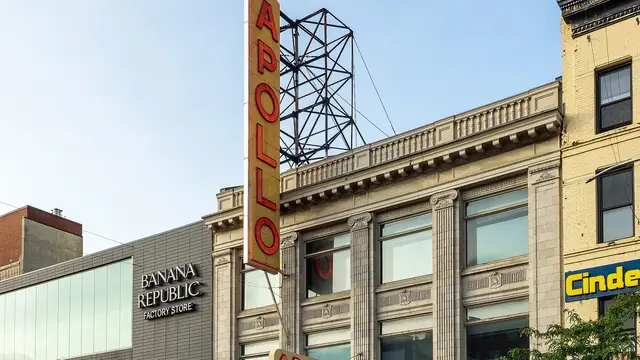
- Apollo Theater: the Harlem landmark seats about 1,500 on three levels, and its Amateur Night launched Ella Fitzgerald and Sarah Vaughan.
- SFJAZZ Center: San Francisco's SFJAZZ Center, opened in January 2013, was the first stand-alone American building designed for jazz performance and teaching. Its presenter programs upward of 400 shows each year across the Bay Area.
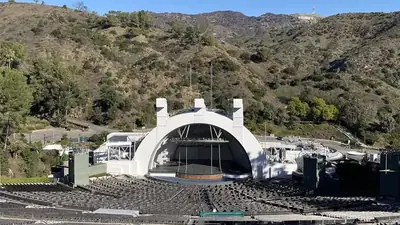
In Los Angeles, the Hollywood Bowl hosts a two-day jazz weekend each June. The event dates to 1959, when it launched as the Playboy Jazz Festival; it has lived at the Bowl since 1979, was renamed for the venue in 2022 and has carried the Blue Note Jazz Festival name since 2025. Patti LaBelle, Wyclef Jean, Gregory Porter and Robert Glasper were on the 2026 bill (June 13 and 14). For a long picnic day, a box near the stage is the comfortable choice; for a straight view of the shell, take the center benches. Every zone is mapped on the Hollywood Bowl Seating Chart.
Festival fields, tents and grandstands
- New Orleans Jazz Fest: officially the New Orleans Jazz and Heritage Festival, it has run since 1970 and now takes over the Fair Grounds Race Course for two long weekends (Thursday through Sunday) spanning late April and early May. Blues, gospel, zydeco and brass bands share the stages, and by the festival's count most of its bands, around 85 to 90 percent, are local to Louisiana. Published 2027 weekends: April 22–25 and April 29–May 2. When the afternoon heat peaks, the air-conditioned Grandstand is the escape.
- Newport Jazz Festival: founded in 1954 by Elaine Lorillard, organized by George Wein, and held now on the grounds of Fort Adams State Park in Rhode Island. Herbie Hancock topped the July 31 to August 2, 2026 bill, following three straight sellouts.
- Monterey Jazz Festival: running since October 3, 1958, it spreads across several stages at the Monterey County Fairgrounds each September (the third full weekend). Its record crowd was 40,000 in 2006.
- Detroit Jazz Festival: a Labor Day weekend fixture in downtown Detroit since 1980, presenting 60-plus acts without charging admission, and calling itself the biggest free jazz festival anywhere.
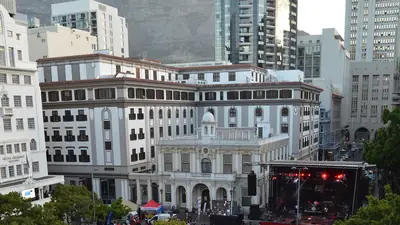
Abroad, the Cape Town International Jazz Festival dates to 2000 and is the largest on the African continent, growing from 14,000 attendees in its first year to 34,000 in 2013.
Sets, subscriptions and day passes
Each kind of room sells a different product.
- Clubs sell a set, not a night. According to its FAQ, the Village Vanguard plays an 8 p.m. and a 10 p.m. set, seats guests in order of arrival and sets a one-drink minimum. At a supper-club room like the Blue Note, dinner is part of the evening, so each club's rules deserve a read before booking.
- Halls sell packages first. Presenters such as Jazz at Lincoln Center put subscriptions on sale ahead of single tickets, so prime seats for the biggest nights can be spoken for by the time single sales open.
- Festivals sell days and weekends. At Newport you choose a single day or a three-day pass; at Jazz Fest most fans buy one-day general admission, and VIP packages sit on top.
- The headliner day moves first. At a multi-day festival, resale demand gathers first around whichever day has the biggest closer, then shifts when organizers release the daily lineup.
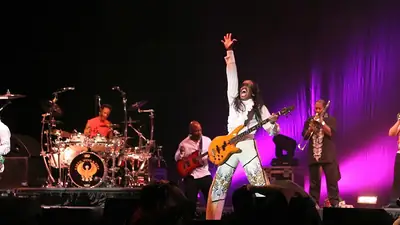
Crossover acts follow arena rules. When Earth, Wind & Fire, the band Maurice White built after his time in the Ramsey Lewis Trio, books an arena or returns to its Las Vegas residency, tickets behave like any big pop show rather than a club date. Reserved Seat includes guaranteed entry with every order.
How many Americans go out for jazz
The audience is smaller than it once was, which keeps most nights available. A National Endowment for the Arts survey found that 6.3 percent of American adults went to a jazz performance in the 12 months ending July 2022, below the 8.6 percent measured in 2017. Far more, 16.3 percent, took in jazz through recordings, radio or video. The agency notes that pandemic effects still shaped the 2022 period. The full figures are in the NEA's 2022 participation report.
For a buyer, that means flexibility on ordinary dates and competition for a narrow set of famous rooms and headline nights.
Making the most of a first jazz night
- Pick the set that fits the evening. An early set pairs with dinner; a 10 p.m. set ends late, so arrange the ride home before you leave.
- Listen like the regulars. Club crowds stay quiet during solos and ballads, and chatter is the quickest way to irritate your neighbors.
- Try the undercard. Festival side stages and weekly club residencies are where newer players get heard first.
- Book festival lodging early. Hotels in Newport and New Orleans fill months in advance; confirm current dates and rules on the festival's website.
Frequently asked questions
Where should I sit in a jazz club?
Pick a seat with an open view of the piano and drums. In a narrow club, a seat by the side wall often shows the keyboard more clearly than a middle table deeper in the room.
What is the best seat in a concert hall for jazz?
For sound, the middle of the orchestra level about a third of the way back. For a big band, the front rows of the first balcony show all of the sections at once.
Does a jazz club ticket cover the whole evening?
Usually not. Clubs sell one set at a time; at the Village Vanguard that means an 8 p.m. or a 10 p.m. set, with seating in order of arrival and a one-drink minimum.
Which New York jazz club has been open the longest?
The Village Vanguard. Max Gordon opened it in Greenwich Village in 1935, and no older jazz club still operates in New York City.
Is Jazz Fest in New Orleans all jazz?
No. Jazz is one ingredient alongside blues, gospel, R&B, zydeco, Cajun music, brass bands and rock, with a strong majority of Louisiana performers, across two weekends that straddle the end of April.
Can I see a jazz festival for free?
Yes. Detroit's festival is free every Labor Day weekend downtown, and it claims the title of largest free jazz festival in the world.
Sources
- NEA – 2022 Survey of Public Participation in the Arts
- Wikipedia – Jazz at Lincoln Center
- Wikipedia – Village Vanguard
- Wikipedia – Blue Note Jazz Club
- Village Vanguard – FAQ
- Wikipedia – Apollo Theater
- Wikipedia – Preservation Hall
- Wikipedia – SFJAZZ Center
- Wikipedia – Newport Jazz Festival
- What'sUpNewp – Newport Jazz Festival 2026 lineup
- Wikipedia – Monterey Jazz Festival
- Wikipedia – Hollywood Bowl Jazz Festival