
















































































































Pick the Seat Before You Pick the Show
For most concerts, the safest reservation is a raised seat on the side of the lower level, close to the stage end, or a center seat a short way back at an outdoor amphitheater. Those two picks give you elevation, a direct angle to the performer and sound that has not bounced off a back wall. Everything else on a seating chart is a trade: you give up one of those three things to gain closeness, atmosphere or a lower price.
The trade looks different in every room, so the first question is not which section but which kind of building. A 2,000-seat hall, a 17,000-seat arena and a 70,000-seat football stadium sell the same artist in three very different ways. The sections below sort the rooms, then rank the seats inside each one.
Room by Room: Halls, Arenas, Amphitheaters, Stadiums
Clubs
Small clubs hold a few hundred to a couple of thousand fans, mostly standing. The Shrine in Tulsa is a good model: a 21-and-over room with a stage, a dance floor and a full bar. Tickets there are usually general admission (entry to an area with no assigned spot), so the time you walk in decides your view.
Seated halls
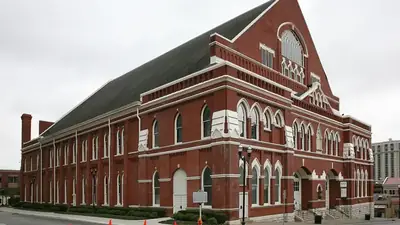
Theaters and auditoriums of about 2,000 to 6,000 seats keep everyone within reasonable distance of the stage. The Ryman Auditorium in Nashville seats 2,362 on wooden pews split between a main floor and a balcony, and the first rows of that balcony are often the better buy. Radio City Music Hall in New York, with 5,960 seats spread over an orchestra and three shallow mezzanines, sits at the top of this size range.
Arenas
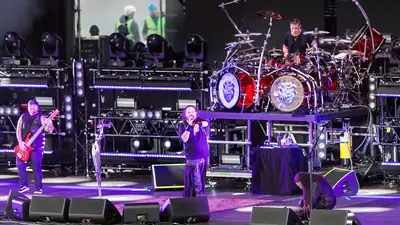
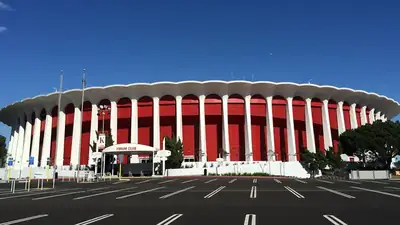
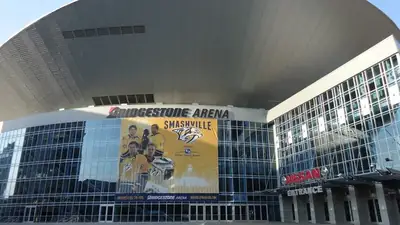
Most tours live in arenas. Madison Square Garden, the Kia Forum in Inglewood (about 17,500 for concerts) and Bridgestone Arena in Nashville convert a basketball or hockey bowl by placing a stage at one end. Sphere in Las Vegas is a different animal: roughly 17,600 seats facing a 16K wraparound screen, designed for long residencies instead of single tour stops.
Amphitheaters
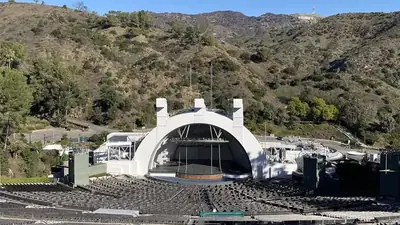
Summer belongs to outdoor rooms. Red Rocks Amphitheatre near Denver seats 9,525 on 70 rows of wooden benches cut into sandstone. The Hollywood Bowl holds about 17,500 on a hillside facing its bandshell. The National Endowment for the Arts' 2022 survey found parks, pavilions and amphitheaters drew 17 percent of adults, more arts attendees than any other venue type.
Stadiums
The largest tours book NFL buildings such as SoFi Stadium (70,240 for football) and Allegiant Stadium in Las Vegas. The stage goes at one end, the field becomes a sprawling floor, and the rest of the bowl wraps around on three sides.
Ranking the Seats Inside Each Room
Use this as a quick ranking, best to worst, for a standard end-stage show.
- Arena lower level, sides near the stage. The most dependable seat on any tour. You sit above the floor crowd, angled toward the performer, and close enough to see faces without leaning on the video screens.
- Arena floor, first dozen rows. Unbeatable for closeness. Past about row 20, though, the flat floor turns into a view of raised phones and the backs of heads, and you end up watching the screens anyway.
- Arena upper level, centered. Distant but complete. You see the full lighting rig and staging, usually at the lowest prices in the building.
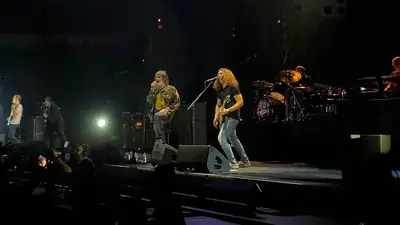
- Side-stage and rear-view seats. Discounted because the view is compromised. On a 360-degree or in-the-round stage they can be fine; on an end stage they often face speaker stacks and the band's backs.
- Stadium floor, deep. A seat far back on the field can sit farther from the stage than a lower-level sideline seat near the stage end. Choose the sideline.
- Amphitheater center, middle rows. The front reserved sections are the premium, but the rows around the mix position (the soundboard, where the engineer balances the show) usually sound the best. The lawn trades sightlines for atmosphere.
Two rules carry from room to room. Centered seats outperform angled ones, and once you are past the front rows of a flat floor, height matters more than distance.
Where the Tickets Go Before the Public Sale
Concert seats are sold twice. The primary sale is the promoter's release: presales (early windows for fan-club members, cardholders or registered fans), then the general on-sale. Resale, also called the secondary market, opens almost at once as fans and brokers relist what they bought. For a sold-out show, resale holds most of what is left, and listings can sit above or below face value.
Many fans underestimate how much is gone before the public sale opens. The Government Accountability Office reported in 2018 that presales typically account for 10 to 30 percent of tickets for major concerts, and up to about 65 percent for some shows. A New York review cited in that report found presales averaged 38 percent, with roughly 16 percent kept as holds (seats set aside for the artist, promoter or venue). Presales have grown since then, so the strongest sections are often claimed early.
Timing Your Purchase and Comparing Totals
No calendar rule guarantees a lower price, but resale follows recognizable patterns:
- Right after the on-sale: prices usually peak as fans who missed the primary sale compete for leftovers.
- Weeks before the show: listings often ease as sellers adjust to real demand.
- Final days: shows that did not sell through can fall sharply, while farewell tours, small rooms and closing nights can climb to the end.
An added date changes the math. When a second night appears in the same city, demand splits and the first night tends to soften. Saturdays in major markets usually run hotter than weeknights in the same arena.
Displayed prices changed in 2025. Since May 12, 2025, the Federal Trade Commission's rule on unfair or deceptive fees has required sellers of live-event tickets to show the total price, mandatory fees included, when they advertise a price. The rule as published in the Federal Register sets out the details. Compare all-in totals between listings, and confirm the section, row and any view note before checkout.
Signals That a Show Will Sell Hard
Knowing why demand spikes tells you when to act quickly. Pollstar's 2025 year-end analysis showed the Top 100 worldwide tours grossed 6.1 percent less than in 2024, moved 3.7 percent fewer tickets and posted a 2.4 percent lower average price. Those figures cover only the largest tours, yet they point to a market that no longer climbs every year; Pollstar's report has the full breakdown.
Attendance habits are shifting, too. Luminate's 2026 live music report found that the share of Gen Z concertgoers going to two shows a year climbed from 29 percent in early 2024 to 37 percent in early 2026. The same report notes the rise of music tourism, where seeing an artist in another city can cost less than the hometown date. If your local show is sold out or expensive, look at the tour stops one or two cities over.
- Undersized rooms. An arena-level act booked into a theater or club has far more fans than seats.
- Residencies. Long runs, such as those at Sphere, spread demand thin, and midweek nights usually have the widest choice.
- Calendar. Red Rocks programs concerts roughly March through November, and the Hollywood Bowl season runs through summer into late September. Arenas book all year; stadium tours favor warm months.
- Local connection. Hometown dates and anniversary shows often move faster than the rest of a tour.
A Five-Point Listing Check
Before you reserve, read the listing for these details:
- Admission type. A general admission floor ticket gets you onto the floor, not to the rail.
- Row. When a row is shown, weigh it. Row 3 in a side section often beats row 25 in a center section.
- View restrictions. Notes such as limited view, side view or obstructed view mean part of the stage or screens is blocked.
- Delivery. Most concert tickets are mobile and are transferred to your phone, often only a few days out.
- Age limits and bags. Clubs are often 18-and-over or 21-and-over, and arenas and stadiums cap bag sizes. Check the venue's current policy before you go.
Worship and faith-based tours form their own circuit. Arena shows by artists such as Chris Tomlin draw church groups and families, and group-sales blocks can leave fewer single seats on resale. Reserved Seat backs every order with a 100% guarantee, and the venue guides below explain each building's sections and entry rules.
Frequently asked questions
What is the single most reliable seat at an arena concert?
A lower-level seat on the side of the bowl, close to the stage end. It is raised above the floor, angled at the performer and near enough to see the show without relying on the screens.
How is general admission different from a reserved seat?
A reserved ticket names your section, row and seat. A general admission ticket lets you into an area, such as a standing floor or a lawn, and your spot depends on when you arrive.
Is it smarter to wait for prices to fall?
Sometimes. Shows that have not sold through often soften in the final days, but farewell tours, small venues and closing nights can rise right up to the show, so waiting is a gamble.
Why are prime seats gone so quickly after the on-sale?
Many seats are allocated to presales and holds first. The GAO's 2018 review found presales typically take 10 to 30 percent of major concert tickets and occasionally far more.
Are seats behind the stage worth buying?
Only for in-the-round or 360-degree productions. On a standard end stage they usually look at equipment and the back of the band, which is why they are discounted.
Sources
- GAO-18-347, Event Ticket Sales (dossier GS-007)
- FTC Rule on Unfair or Deceptive Fees, Federal Register (dossier GS-012)
- Pollstar 2025 year-end business analysis (dossier GS-042)
- Luminate Live Music 2026 report (dossier GS-037, GS-054)
- NEA, Arts Participation Patterns in 2022 (dossier GS-004)
- Red Rocks Amphitheatre FAQ
- Hollywood Bowl 2026 season announcement
- Sphere (venue), Wikipedia