























Start with the stage map, not the section number
Pop shows are productions: choreography, costume changes, video walls and, more and more often, a runway or second stage that pushes far into the floor. That means the same section number can be excellent at one show and mediocre at the next. Before you pick a seat, answer two questions. How big is the room? And where does the stage reach?
- Runway and B-stage layouts. A B-stage is a smaller second platform out in the crowd, usually linked to the main stage by a catwalk. Seats along that path, including side sections in the lower level, can bring you nearer the performer during stretches of the set than the main-stage front rows. Value hunters should start there.
- Center stages. When the stage sits in the middle (called 360-degree or in the round), no side is the back. A raised lower-level seat a few rows up usually beats a distant spot on a flat floor.
- General-admission floors. Standing floors reward fans who arrive early and want to dance. From the back half of a flat floor, you will watch mostly screens.
- Stadiums. Stadium productions are built to read from a distance, so the lower level facing the stage shows the full design better than the far end of the field.
Room sizes run in tiers. The biggest stars play football stadiums; the next group plays arenas (indoor buildings of about 15,000 to 20,000 seats designed for basketball and hockey); and some artists skip touring for residencies (a run of many nights in one building) or a few scattered dates. One artist might book a stadium on this tour and a 2,000-seat theater on the next.
Getting through a pop on-sale
No genre has more competition at the on-sale, and the buying process has been rebuilt around it.
- Register for presales. On the largest tours, fans sign up ahead of time and receive access codes before tickets go on sale. The November 2022 registration presale for the Eras Tour drew about 3.5 million sign-ups, buckled under the traffic and led to congressional scrutiny of concert ticketing.
- Expect purchase limits. The Federal Trade Commission's August 2025 BOTS Act complaint (the BOTS Act is the federal law that targets software built to defeat ticket limits) claims that one Maryland reseller ran 49 accounts and came away with 273 seats to a single Taylor Swift show, where buyers were capped at six. Those are allegations rather than findings, but they explain why codes and caps exist.
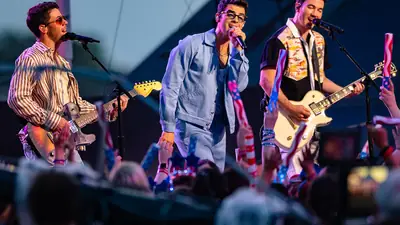
- Check fan clubs and lotteries. Some acts sell early access through fan clubs, and the Jonas Brothers have used a lottery for pit tickets on recent tours.
- Know when scarcity is the point. An artist who plays few dates or sets up a residency creates the sharpest demand. If your city only has a night or two, much of the market will run through resale.
Your plan: sign up for every presale you are eligible for, decide beforehand which sections you will accept based on the stage map, and be ready to buy in the first few minutes.
Acts that fill football stadiums
These performers sell out stadiums, often for several nights in the same city.
- Taylor Swift played 149 shows on the Eras Tour across 2023 and 2024, the stadium run that set the tone for the decade.
- Beyoncé books only stadiums on her recent tours, roughly three-hour shows split between a main stage and a B-stage.
- The Weeknd stretched his stadium tour across 2022 to 2026, running a catwalk out to a field-level second stage.
- Ed Sheeran carries a whole stadium nearly solo, armed with a loop pedal and an acoustic guitar.
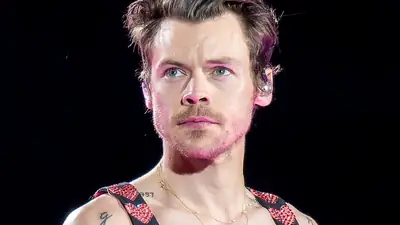
- Harry Styles prefers long strings of nights in one building to a city-by-city route.
- Lady Gaga stages theatrical productions in acts, built on runways and B-stages, in stadiums and arenas.
- Bruno Mars alternates stadium tours with a long-running residency, leading a live band through choreographed sets.
- Pink sings complete songs mid-air during aerial routines and has played stadiums to millions of fans since 2018.
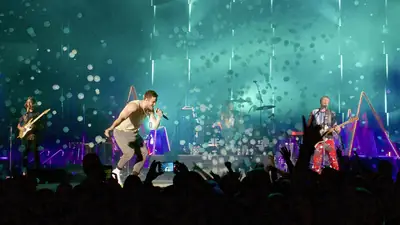
- Maroon 5 and Imagine Dragons carry pop-rock catalogs into both arenas and stadiums; the latter's Loom World Tour lasted from 2024 into 2026.
At these shows, the lower bowl facing the stage and seats near the catwalk are where the production pays off.
K-pop tours and how they sell
K-pop (Korean pop built on vocals, rap and synchronized group choreography) runs on its own calendar. Each tour follows a new release, American dates are scarce, and fans travel long distances to multi-night stadium stands.
- BTS normally settles into a U.S. city for two, three or four nights, and on the Arirang World Tour it performed on a 360-degree stage.
- BLACKPINK spaces its world tours far apart, so each U.S. stadium date pulls fans from several states.
- Stray Kids writes and produces a large part of its own catalog, and the eight-member group now fills American stadiums and big-league ballparks.
- Seventeen has 13 members and puts on lengthy, precisely drilled shows in both arenas and stadiums.
Seat tip: lower-level side sections are underrated for K-pop. Group formations are easiest to follow from above, and because the members spread across every part of the stage, someone is usually near your side.
The arena tier, sorted by stage design
Arenas are where pop careers move fastest; an artist can jump from theaters to arenas inside one album cycle. Because staging decides your seat, it helps to group these acts by how they build the room rather than by how long they have been famous.
- Catwalks and runways. Katy Perry centered her recent tour on a long runway, and catwalk staging is also how Olivia Rodrigo reaches the middle of the floor. At these shows, side seats near the runway are the smart buy.
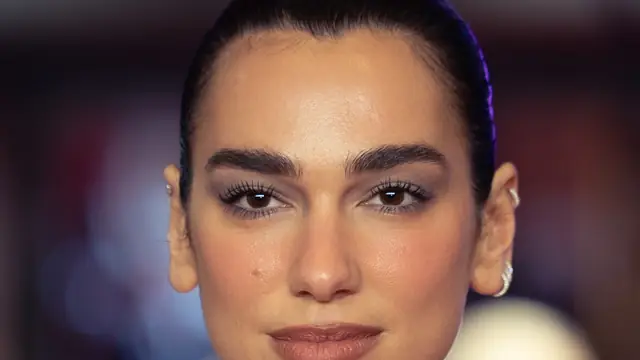
- Second stages. Justin Timberlake tours with his band, the Tennessee Kids, and a B-stage; Dua Lipa's dance-pop sets also use secondary platforms. Look at seats behind the main floor that face the second stage.
- Center-floor rings. On her latest tour, Billie Eilish placed a 360-degree stage in the middle of the arena, so raised seats on any side work.
- The floor as the main event. Charli XCX plays club-style sets in which the standing floor matters more than any seat, so GA is the ticket to want.
- Choreography-first productions. Tate McRae moved into arenas in 2025 with a dance-driven show, and FKA twigs, who stages a show in acts, played her first arena dates in 2026. A slightly raised angle shows the choreography best.
- Fast risers. Sabrina Carpenter's first arena tour was the Short n' Sweet Tour, which ran from September 2024 until November 2025. Within roughly two years, Gracie Abrams went from Swift's opening act to arena headliner, and Benson Boone has topped arena bills since 2025.
- Big-demand veterans. Ariana Grande's multi-night arena runs sell out at the presale stage within minutes.
- Groups and bands. The Jonas Brothers play marathon sing-alongs that span two eras of hits; AJR, a theatrical indie-pop act, took its first arena tour in 2024; and The 1975 performs inside a staged house set.
- Voice-first artists. Shawn Mendes has ranged from arenas to short theater runs, Sam Smith alternates arenas with smaller rooms, Lewis Capaldi returned to performing in mid-2025 with mostly ballads, and Halsey has lately chosen amphitheaters and mid-size halls.
Residencies, holiday runs and scarce dates
Several of pop's biggest names seldom tour in the usual way, and every date they do play is contested.
- Residencies. Adele has not done a conventional tour since 2017, choosing fixed residencies instead, with stands in Vegas and in Munich. Barry Manilow, the voice behind many 1970s adult contemporary radio ballads, holds a residency at the Westgate and adds tour dates.
- Holiday tours. Mariah Carey tours every winter around her Christmas songs, and Pentatonix, an a cappella group (voices only, no instruments), fills late-year calendars with holiday concerts. For both, December nights sell out first.
- Rare appearances. Justin Bieber's most recent full tour was Justice in 2022. Miley Cyrus's last full headline tour was in 2014. A typical year brings only a few Lana Del Rey dates. Zayn's debut solo headline tour came in 2024. Elton John ended his touring career in 2023, though he has left the door open to occasional one-off shows.
- Legends who rarely perform. Barbra Streisand last gave public concerts in 2019. Listings under her name deserve a careful look, because tribute acts are sometimes promoted with similar wording; the guide to spotting ticket scams lists the warning signs.
For any of these artists, buy once you can commit. Supply is fixed and fans travel to the few dates that exist, so prices seldom soften much. Reserved Seat backs every order with a 100% guarantee.
Demand numbers worth knowing
Younger fans are going more often. In Luminate's 2026 live music study, 37 percent of Gen Z concertgoers attended two shows a year as of early 2026, compared with 29 percent two years before, and much of that audience is buying pop. Meanwhile, the 100 highest-grossing tours worldwide moved 67.3 million tickets in 2025, and Beyoncé ranked near the top, per Pollstar's 2025 year-end analysis. The broker allegations above come from the FTC's BOTS Act complaint.
What that means for you: competition exists at every level, from stadium tours to arena debuts. Decide on your acceptable sections, register early and treat the stage map as the deciding document.
Frequently asked questions
What is the best seat at a pop concert with a runway?
Seats along the catwalk and near the B-stage, including lower-level side sections, often bring you nearer the performer during parts of the set than far-off main-stage seats. Check the stage map for your date before choosing.
How do I get pop concert presale access?
For the biggest tours, register in advance to receive an access code, and join any fan-club presale you qualify for. Then be ready to buy in the first few minutes.
Is standing on the GA floor better than a seat?
Only if you want to dance and can arrive early for a spot near the front. From the back of a flat floor you mostly watch screens, so a raised lower-level seat often sees more.
Which K-pop groups play U.S. stadiums?
BTS, BLACKPINK and Stray Kids have played U.S. stadiums, and Seventeen plays arenas and stadiums. U.S. stops are few, so demand concentrates on multi-night stands.
Why is it so hard to see some pop stars live?
Some artists, including Lana Del Rey, Miley Cyrus, Justin Bieber and Adele, play residencies or only a handful of dates instead of full tours, so fixed supply keeps demand high.
Sources
- Luminate: Live Music 2026 (dossier GS-037)
- FTC: Key Investment Group BOTS Act complaint (dossier GS-020)
- Pollstar: 2025 year-end business analysis (dossier GS-042)
- Wikipedia: The Eras Tour
- Wikipedia: Taylor Swift–Ticketmaster controversy
- Wikipedia: Short n' Sweet Tour
- Wikipedia: Adele
- Wikipedia: Elton John