
Picking a seat at a neutral-site bowl
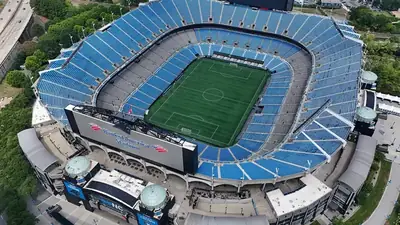
A bowl is played on neutral ground, but the stadium almost never feels neutral. Supporters of each team cluster on their own side and inside the seat blocks their school sold them, with the marching bands and students typically placed down low near the corners or behind an end zone. So the first seat decision is which side you want to be on, and the second is how high.
- Choose a side. If sitting among your own fans matters, wait until sideline assignments are published or buy inside the area your school's allocation covers.
- Go midfield and mid-height. Seats halfway up the lower level around the 50-yard line beat the front rows directly behind a team bench, where coaches, players and staff stand in your way.
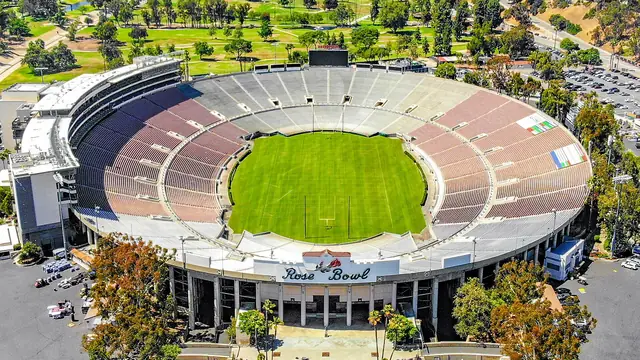
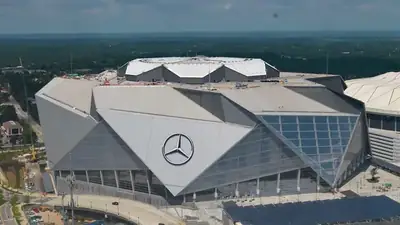
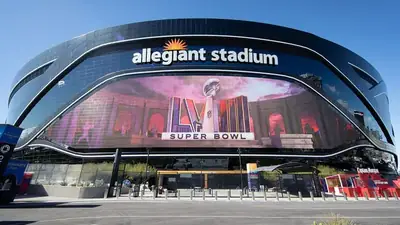
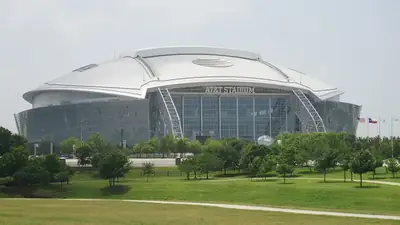
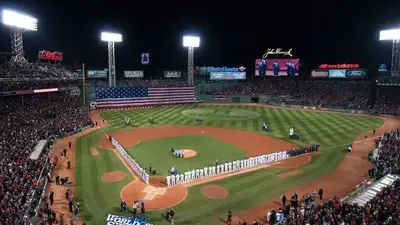
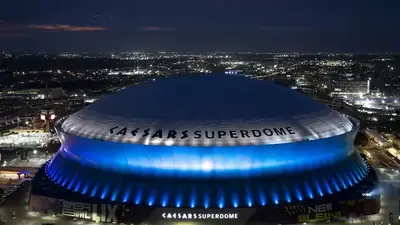
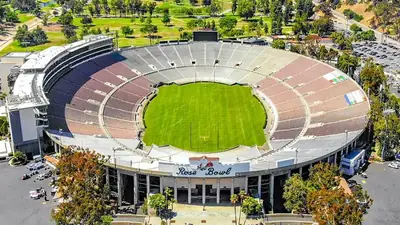
- Check the roof. Domed venues include the Caesars Superdome, Mercedes-Benz Stadium, Allegiant Stadium and the Alamodome. Open-air bowls such as those at Rose Bowl Stadium, Fenway Park, El Paso's Sun Bowl Stadium and Honolulu's Ching Complex expose you to low winter sun by day and a chill after dark.
Capacity varies enormously. The NCAA bowl attendance record, 106,869, was set at Rose Bowl Stadium in 1973; at the other end, the Hawaii Bowl plays in a stadium of roughly 15,000. Each bowl guide and program guide covers its own stadium and seating in detail.
Bowl tickets come from three places
Knowing which channel a seat came through explains most of what happens to bowl prices.
- The bowl's own box office. Each game runs its own sales, often before anyone knows who is playing. Quarterfinal and semifinal buyers are sent by the CFP to whichever of the six host bowls is staging the game.
- The schools. Each team receives an allotment, a reserved block it sells to its own fan base through the athletic department. Priority usually goes first to donors with the most points (a ranking based on how much and how long someone has given), then to season-ticket holders and to students. For the title game, the CFP states that the two finalists receive the majority of tickets and sell them to their own fans, per its ticket information page.
- Resale. Every other seat trades on the secondary market, including school-block tickets that their original buyers end up not using.
That points-based priority also governs season tickets at most major programs, so a fan without them usually gets into a marquee home game through resale. The postseason adds urgency: pairings are revealed in the first part of December, once conference championships finish, which gives fans roughly two to four weeks to book seats and travel, and a playoff team that keeps advancing may get just a week or two between games. Every Reserved Seat order is backed by a 100% guarantee.
Timing tips: buy early for a playoff bowl or a power-conference tie-in if your team looks headed there, and book travel you can cancel. For a smaller bowl, wait for the matchup, since supply is usually generous. Keep an eye on the final days before a playoff game too, because some school-allocation buyers back out of the trip. Before buying any of these games, read the guides on whether resale tickets are legit and on how mobile ticket transfer works.
Inside the 12-team playoff bracket
The College Football Playoff replaced the old Bowl Championship Series starting with the 2014 season. Through 2023 the field had four teams, and the semifinals rotated among the six biggest bowls, the group called the New Year's Six. Expansion to 12 teams arrived in 2024, and since then all six of those bowls host a playoff game every year.
- Opening round (December 18–19, 2026): the 5 through 12 seeds meet at the better seed's stadium or a venue it selects. The host school sells these as home games; no bowl is involved.
- Quarterfinals: Glendale's Fiesta Bowl goes first, on December 30, 2026. New Year's Day 2027 brings the other three: Atlanta's Peach Bowl, Pasadena's Rose Bowl Game and Arlington's Cotton Bowl Classic.
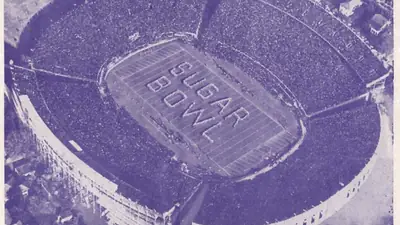
- Semifinals: Miami Gardens stages the Orange Bowl semifinal on January 14, 2027, and New Orleans has the Sugar Bowl semifinal one night later.
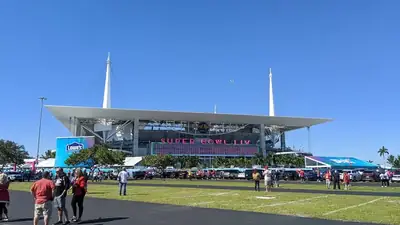
- Championship: Las Vegas and Allegiant Stadium host the College Football Playoff National Championship on January 25, 2027. This game belongs to the CFP rather than a bowl, and cities bid for it; New Orleans, Tampa and Miami Gardens hold the next three.
Thirteen committee members rank the contenders and assign seeds. Coverage of the 2026 rules describes guaranteed spots for the champions of the four power conferences and the best Group of Six champion, with byes for the top four. The format keeps changing, so read the CFP's current rules before the bracket is unveiled in early December.
December into January: the rest of the bowl slate
Bowls are postseason games, contested mainly by Football Bowl Subdivision programs (FBS, the highest tier of Division I). Forty-seven FBS bowls make up the 2026–27 calendar, which opens December 12, 2026, and closes with the title game on January 25, 2027; add the lower NCAA divisions and the list reaches 64. Six victories is the normal eligibility bar, though in certain seasons teams with 5–7 records have been invited to fill vacancies. Most matchups come from contracts between bowls and conferences, called tie-ins, that are rewritten every few years, so read the pairings here as how things stand for 2026.
- Opening weekend: Atlanta's Celebration Bowl matches the champions of the MEAC and the SWAC, the two top HBCU (historically Black college and university) leagues in the Football Championship Subdivision. The Army-Navy Game, a regular-season rivalry and not a bowl, falls on the same December 12 date. Tampa's Gasparilla Bowl is next, on December 18.
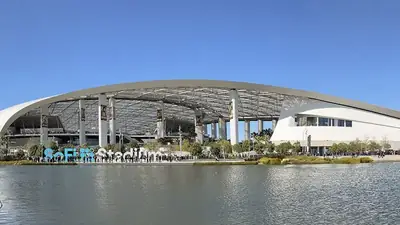
- Before Christmas: the Myrtle Beach Bowl (drawing from Conference USA, the MAC and the Sun Belt), Shreveport's Independence Bowl, the New Orleans Bowl (a Sun Belt team against a Conference USA team), the Frisco Bowl under a roof, Mobile's 68 Ventures Bowl and, on December 24, Honolulu's Hawaii Bowl.
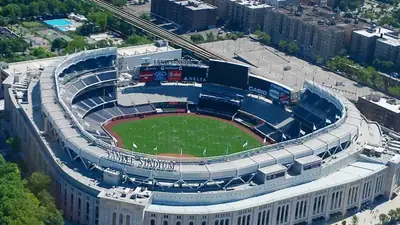
- December 26 to 29: two Big Ten-versus-ACC games in 2026, the Pinstripe Bowl at Yankee Stadium and Charlotte's Duke's Mayo Bowl; the open-air Fenway Bowl in Boston; Annapolis's Military Bowl; San Diego's Holiday Bowl; and, on the 29th, the Alamo Bowl plus the Pop-Tarts Bowl, which pairs the ACC with the Big 12.
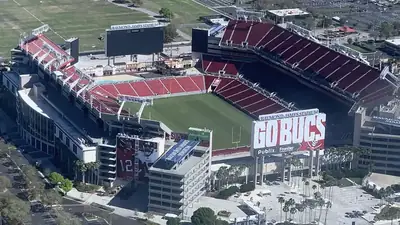
- December 30 and 31: Jacksonville's Gator Bowl; Tampa's ReliaQuest Bowl (an SEC team against a Big Ten team); El Paso's Sun Bowl (ACC opposite the Pac-12); Houston's Texas Bowl (the Big 12 opposite the SEC); and the domed Las Vegas Bowl.
- Around New Year's: two Big Ten-against-SEC games, Orlando's Citrus Bowl and Nashville's Music City Bowl; Memphis's Liberty Bowl, drawing from the SEC and Big 12; and, during the same late-December stretch, Tucson's Arizona Bowl, which matches the Mountain West with the MAC.
Games also disappear. After its December 2025 edition, the LA Bowl at SoFi Stadium was dropped, so any older listing for it is out of date. In general, bowls tied to power conferences pull the largest crowds and the hottest resale market, while games stocked from smaller leagues tend to have seats left and room to buy late.
The tradition is old. Pasadena hosted the first bowl in 1902, the game known today as the Rose Bowl Game, and the Orange, Sugar and Cotton bowls followed to form the classic New Year's Day lineup. That long history explains why century-old games now share the calendar with bowls created in the 2000s.
Where traveling crowds come from: SEC and Big Ten
Bowl demand begins in September. The fans who fill home stadiums every autumn are the ones who buy plane tickets in December, and two conferences own the biggest buildings: the Southeastern Conference and the Big Ten.
Southeastern Conference
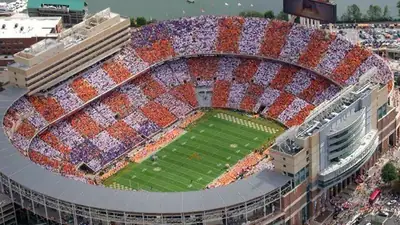
Five SEC venues are listed at over 100,000. In order of size they are Kyle Field (about 102,700), home of Texas A&M Aggies football; Tiger Stadium (about 102,300), where LSU Tigers Football is famous for night kickoffs; Neyland Stadium (about 101,900), for Tennessee Volunteers football; DKR–Texas Memorial Stadium (about 100,100), for Texas Longhorns football; and Bryant–Denny Stadium (about 100,100), for Alabama Crimson Tide Football. The next tier sits at 80,000 to 93,000: Sanford Stadium for Georgia Bulldogs Football (about 93,000), then Florida Gators Football (about 88,500), Auburn Tigers Football at Jordan–Hare (about 88,000) and Oklahoma Sooners football (about 80,100). Between roughly 60,000 and 78,000 you find Mississippi State Bulldogs Football, Kentucky Wildcats Football, Missouri Tigers football, Arkansas Razorbacks Football (about 76,200) and South Carolina Gamecocks football (about 77,600 before renovation). Vanderbilt Commodores football is the outlier, at about 35,000 seats after its renovation. Game day is typically a sunrise-to-midnight affair centered on tailgating. Conference heavyweights and rivals produce the toughest home tickets, and SEC fans have a long-standing reputation for traveling to bowls by the tens of thousands.
Big Ten
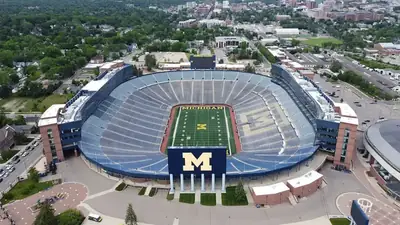
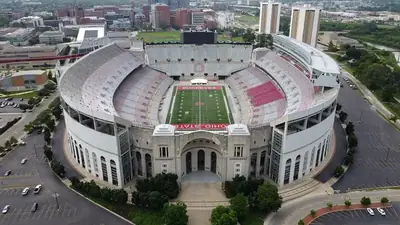
The Big Ten owns the three biggest stadiums named on this page. Michigan Wolverines Football plays at Michigan Stadium, 107,601 seats; Penn State Nittany Lions Football at Beaver Stadium, about 106,600; and Ohio State Buckeyes Football at Ohio Stadium, about 102,800. Nebraska Cornhuskers football says every home game has sold out since 1962. The rest of the league's Midwest and East Coast base includes Minnesota Golden Gophers football, Indiana Hoosiers Football, Iowa Hawkeyes Football, Rutgers Scarlet Knights Football, Illinois Fighting Illini football, Wisconsin Badgers Football, Maryland Terrapins Football, Purdue Boilermakers Football and Michigan State Spartans football. Northwestern Wildcats football moves into a new 35,000-seat Ryan Field in October 2026. The 2024 expansion brought in four West Coast programs: USC Trojans Football, playing at the Coliseum; UCLA Bruins Football, whose home is Rose Bowl Stadium; Washington Huskies Football; and Oregon Ducks Football. November weather in the Midwest is part of the experience, and cross-country league games now mean long, expensive trips for traveling fans.
ACC, Big 12, Notre Dame and Boise State
Atlantic Coast Conference
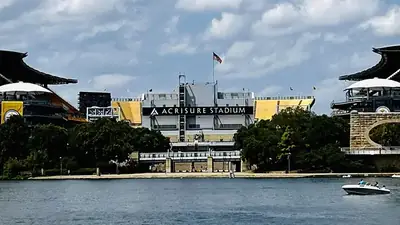
The ACC's stadiums are the most varied of any league here. Memorial Stadium, the Death Valley of Clemson Tigers Football, is listed at 81,500 and has packed in more than 86,000 using standing room. Campus stadiums in the high 50,000s to high 60,000s serve Florida State Seminoles Football (about 67,300), Virginia Tech Hokies Football (about 65,600), Virginia Cavaliers Football (61,500), Louisville Cardinals Football (about 60,800) and NC State Wolfpack Football (about 56,900). Two programs, Pittsburgh Panthers Football and Miami Hurricanes Football, borrow NFL stadiums. Syracuse Orange Football plays under a roof at the JMA Wireless Dome, and Georgia Tech Yellow Jackets Football sits right in Midtown Atlanta. The smallest settings belong to Wake Forest Demon Deacons Football (about 31,500), Duke Blue Devils Football (about 35,000), Boston College Eagles Football (about 44,500) and North Carolina Tar Heels Football (about 50,500). The league crossed the country in 2024 by adding SMU Mustangs Football, Stanford Cardinal Football and California Golden Bears Football. Because demand clusters around a few rivalries and ranked opponents, routine weeks leave more seats available than in the SEC or Big Ten.
Big 12
The Big 12 spans Arizona to West Virginia, and most of its buildings seat between about 40,000 and 62,000, so a marquee game can squeeze supply hard. The largest belong to BYU Cougars Football (LaVell Edwards Stadium, 62,073), Iowa State Cyclones Football (61,500), Texas Tech Red Raiders Football (about 60,200) and West Virginia Mountaineers Football (60,000). Just behind sit Arizona State Sun Devils Football (about 53,600), Oklahoma State Cowboys Football (about 52,200), Utah Utes Football (about 51,400, at an elevation of 4,637 feet), Arizona Wildcats Football (about 50,800), Colorado Buffaloes Football (about 50,200) and Kansas State Wildcats Football (50,000). Cincinnati Bearcats Football (about 38,100), Houston Cougars Football (about 40,000), Baylor Bears Football (about 45,100), UCF Knights Football (about 45,900) and TCU Horned Frogs Football (about 46,000) fill out the smaller end, while construction keeps Kansas Jayhawks Football at reduced capacity in 2026. In stadiums this size, a single glamour opponent can turn an ordinary home date into a sellout.
Notre Dame and Boise State
Notre Dame Fighting Irish Football has no conference; it plays a coast-to-coast FBS independent schedule in a stadium of 77,622, and its fan base travels in from everywhere. Boise State Broncos Football, famous for the blue field at Albertsons Stadium (roughly 36,400 seats), owns three Fiesta Bowl victories and joins the Pac-12 in 2026. Limited seats and a devoted regional following make its top home games scarce.
Frequently asked questions
Where should I sit at a bowl game?
On your school's side, inside or near its allocation, and about halfway up the lower level near the 50. Front rows behind the team benches have the most blocked views.
How many bowl games are played in 2026–27?
Forty-seven at the FBS level, starting December 12, 2026, and ending with the title game on January 25, 2027. Add the lower divisions and the total is 64.
Which bowls host College Football Playoff games?
The six New Year's Six bowls: Rose, Sugar, Orange, Cotton, Fiesta and Peach. With 12 teams in the field, each now stages a quarterfinal or semifinal every year.
Who sells national championship tickets?
According to the CFP, the two finalists get most of the title-game tickets and sell them to their own fans. Remaining seats are sold through other channels or trade on resale.
Should I buy bowl tickets before the matchup is announced?
If your team is likely to land in a playoff bowl or a power-conference tie-in, buying early can pay off, ideally paired with refundable travel. For smaller bowls, seats are usually plentiful, so waiting is reasonable.
Is the Army-Navy Game a bowl?
No. It is a regular-season rivalry game played in December, on the same date as the Celebration Bowl in the 2026–27 season.