
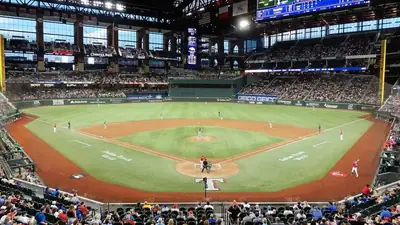
Picking a ballpark seat: what matters most
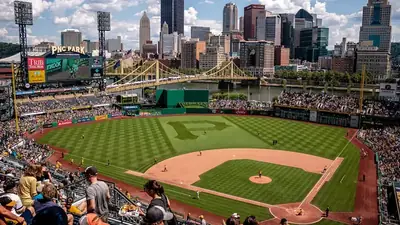
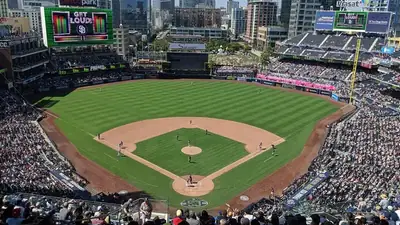
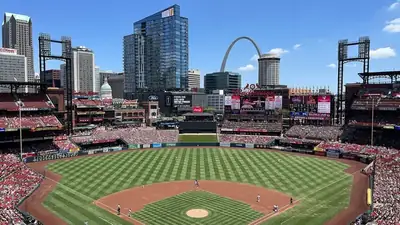
Start with the infield, the sections between the two dugouts. From there you see the pitch, the swing and the play in front of you, and the rows just behind each dugout are the classic premium location. From that baseline, every other choice is a trade.
- Outfield and bleachers: lower cost, more social and usually in full sun. If catching a home run ball is the goal, this is where it happens.
- Down the lines: seats out near the foul poles can angle your body toward the outfield instead of home plate, and the lowest rows there face the wrong way for most of the game.
- Sun and shade: at an open-air park, the stadium's compass orientation decides which side falls into shadow first. The third-base side is the common answer for afternoon games, though plenty of parks break the pattern, so look it up in the ballpark guide.
- Obstructions: the oldest parks have support posts and narrow seats that can hide part of the field. Each park's guide flags the rows to double-check.
A simple order works: let the team guide help you choose the date (rivals, giveaways, which dugout is the home side), then let the ballpark guide narrow the section: how sections are numbered, where the shade falls, which rows are blocked, how to get there and what bags are allowed. Those bag rules differ by park and get revised season to season, so confirm them on the team's site shortly before game day.
Why one ballpark's best seat is another's mistake
A football field or a basketball court is the same size everywhere. A ballpark is not, so a seat that is excellent in one city can be ordinary in the next.
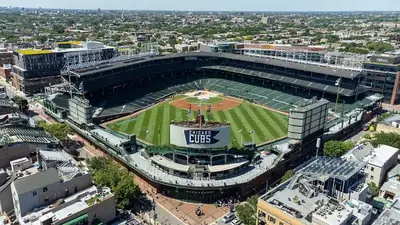
- Old parks: Fenway Park (1912) and Wrigley Field (1914) are the senior parks in the majors. Charm comes with posts and tight rows.
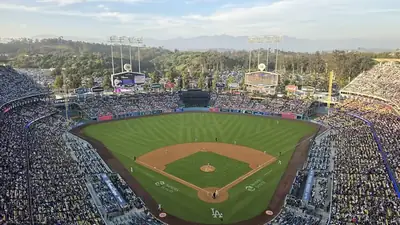
- Size: Dodger Stadium seats 56,000, the most in the majors. The Athletics' temporary home holds about 14,000.
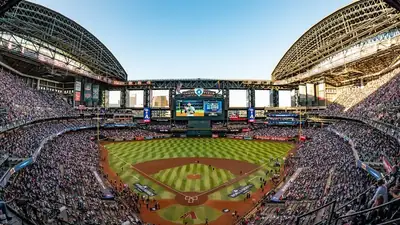
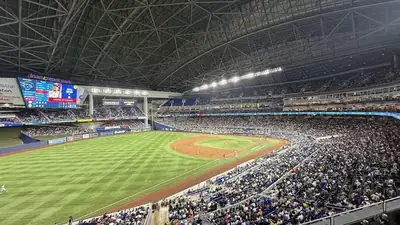
- Roofs: three parks can close overhead: Chase Field in Phoenix, Globe Life Field in Arlington and loanDepot park in Miami. Tropicana Field is permanently covered. In those four buildings, sun and rain mostly drop out of the seat decision.
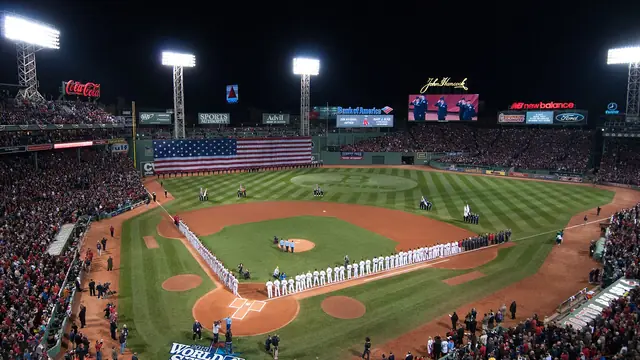
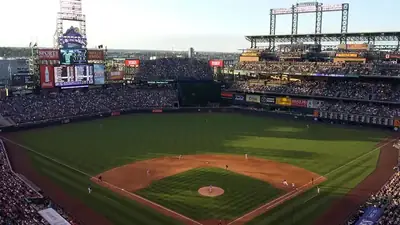
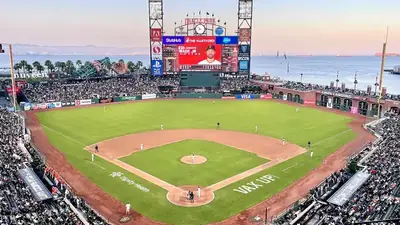
- Quirks: left field at Fenway has the Green Monster, roughly 37 feet high. Coors Field sits around 5,200 feet above sea level, and a single purple row shows where the mile-high line runs. Oracle Park borders McCovey Cove, and night games there can get chilly, so pack a layer.
Choosing the game before the seat
Each club fills 81 home dates, so demand rises and falls sharply even within a single homestand. On most nights supply runs ahead of demand, and what you pay depends far more on the calendar, the visiting team and any promotion than on the park itself.
- Weekends outsell weeknights in nearly every market, and a summer Saturday is the peak.
- Promotions appear on the schedule before Opening Day. A bobblehead, a replica jersey or a fireworks show can fill the lower deck on a date that would otherwise be quiet, and the free item is typically limited to early arrivals.
- Rivalries sell no matter where the teams sit in the standings. Think of the Yankees against the Red Sox, the Cubs against the Cardinals, the Dodgers against the Giants, and the same-city series in New York and Chicago. The 2026 Subway Series was set for September 11 to 13, marking 25 years since the September 11 attacks.
- The home opener and holidays behave like big events; Fourth of July games pull families.
- One-off showcases each run on a separate market: the Field of Dreams game in Iowa, the Little League Classic in Williamsport, and overseas or cross-border dates like the Mexico City Series.
- September stakes lift games with a playoff berth in play and soften games between teams already out of it.
For an ordinary game, resale listings usually get cheaper as the start time gets closer. Andrew Sweeting, an economist, examined resale listings for MLB games in the Journal of Political Economy and found sellers marking prices down 40 percent or more in the run-up to the game. His data covers older regular-season games, so read it as a past pattern; big matchups and postseason games often move the other way.
From spring training to the World Series
Camps open in February, 162 games are played between late March and late September, and October belongs to a 12-team bracket that ends in the World Series. In 2026, Opening Day on March 25 was the earliest ever scheduled, the regular season closed September 27 and the World Series was set to start October 23.
- Spring training: exhibition baseball in Arizona (the Cactus League) and Florida (the Grapefruit League) from the middle of February until late March, played in compact parks.
- Regular season: the schedule has included every opponent each year since 2023, which means any given visitor comes to your park at least every other season.
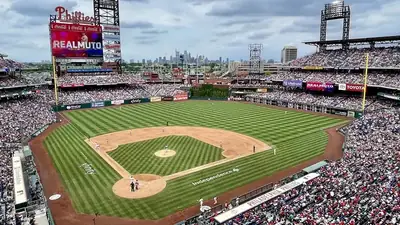
- All-Star break: four days off in mid-July. Citizens Bank Park in Philadelphia hosted the 2026 All-Star Game on July 14.
The league has 30 clubs, one of them in Canada. They are split into the National League and the American League, and each league has three five-team divisions.
October baseball on short notice
Twelve teams have qualified since 2022, six from each league: three division champions and three wild cards. In each league the top two division champions get a bye. The first round, the Wild Card Series, is a best-of-three played entirely in the better seed's ballpark. After that come a best-of-five Division Series and then best-of-seven rounds for the pennant and the title.
October tickets go on sale with very little warning. A home date exists only once a matchup is locked in, the back end of each series is conditional (played only if needed), and season-ticket holders buy first. For a conditional game, read the terms for a series that ends before your game is played. Reserved Seat backs every order with a 100% guarantee.
Every club, league by league
National League
- NL West: San Francisco Giants, San Diego Padres, Los Angeles Dodgers, Colorado Rockies, Arizona Diamondbacks
- NL Central: St. Louis Cardinals, Pittsburgh Pirates, Milwaukee Brewers, Cincinnati Reds, Chicago Cubs
- NL East: Washington Nationals, Philadelphia Phillies, New York Mets, Miami Marlins, Atlanta Braves
American League
- AL West: Texas Rangers, Seattle Mariners, Los Angeles Angels, Houston Astros, Athletics
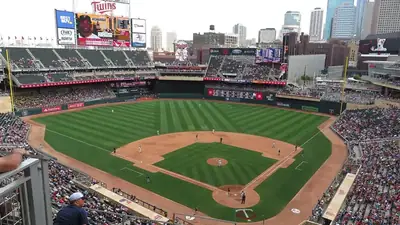
- AL Central: Minnesota Twins, Kansas City Royals, Detroit Tigers, Cleveland Guardians, Chicago White Sox
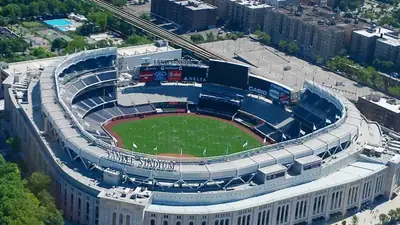
- AL East: Toronto Blue Jays, Tampa Bay Rays, New York Yankees, Boston Red Sox, Baltimore Orioles
Two clubs are between homes. The Athletics spent 2026 at Sutter Health Park, a West Sacramento minor league ballpark with room for about 14,000 counting the lawn, while their Las Vegas stadium goes up ahead of a move planned for 2028. Hurricane damage kept the Tampa Bay Rays out of Tropicana Field for a season; they returned in April 2026. For either club, read the team guide before buying a future season.
Opening Day and baseball's attendance run
Crowds keep climbing. MLB counted 71,409,421 fans in 2025, the third season in a row over 70 million, and its first three-year stretch of attendance gains since 2005 to 2007, according to MLB.com.
The first game of the year is its own occasion, with pregame ceremonies, demand that in many cities looks more like October than April, and cold-weather planning in northern parks. The MLB Opening Day guide covers all of it.
Frequently asked questions
What is the best section at a baseball game?
Anywhere in the infield between the two dugouts, where you see every pitch and play straight on. Seats just behind either dugout are the traditional premium location.
Are seats near the foul poles a good buy?
Often not. They can angle you toward the outfield rather than home plate, and the lowest rows there face away from most of the action.
How many MLB games does each team host?
Eighty-one. Each club plays 162 regular-season games split evenly between home and road, plus spring training and any postseason games.
What months does the baseball season cover?
Camps and exhibition games take up mid-February and March, the 162-game schedule goes from late March into late September, and October is the postseason, ending with the World Series.
How does the MLB postseason format work?
Six clubs from each league make it. Two division champions per league skip ahead, while the other eight teams open with a best-of-three round hosted entirely by the better seed.
Do baseball resale prices fall before the game?
For routine regular-season games, research has found prices historically drop as first pitch approaches. Rivalries, giveaway dates and playoff games frequently break that rule.