

















The seat decision, building by building
A seating chart shows you where a section is. A venue guide tells you whether it is worth buying. Reserved Seat has guides to 36 buildings: NFL stadiums, old-school ballparks, indoor arenas, amphitheaters under the open sky and small music halls. Every one follows a fixed layout, which makes it easy to hold two buildings side by side.
Expect the same core answers on every page: who plays or performs there, the section numbering and which way each side faces, the sections to target for each type of event, the seats to pass on, the trip in, and the bag and entry rules. The pill near the top, called the stamp, gives you the one fact you most need, such as the capacity, the roof, or which side falls into shade first. Live listings sit under the guide, so you can go straight from the recommended sections to what is for sale in them.
How the building type changes where you sit
The kind of building you are in decides more about the best seat than the event does. The 36 guides fall into five groups.
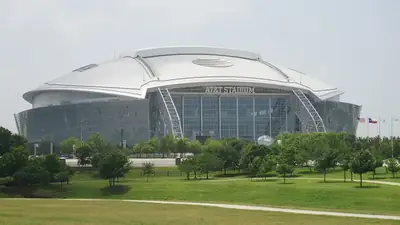
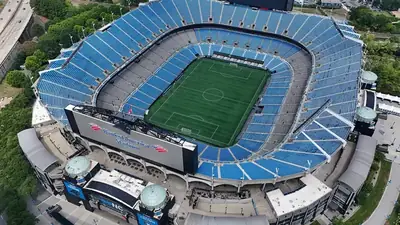
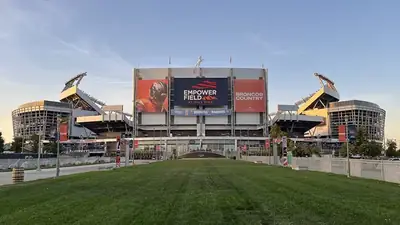
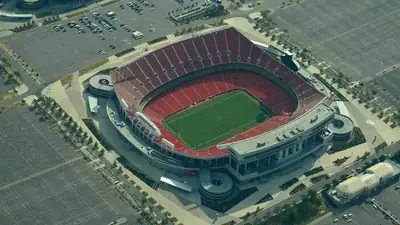
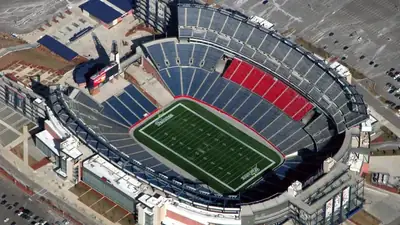
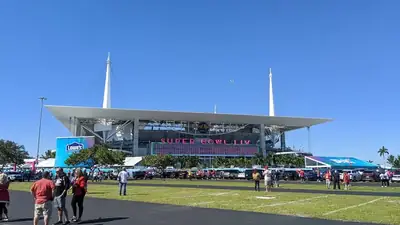
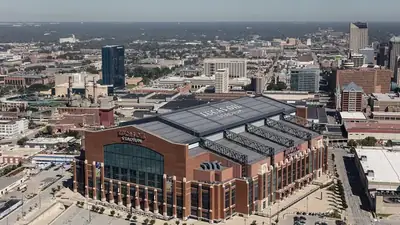
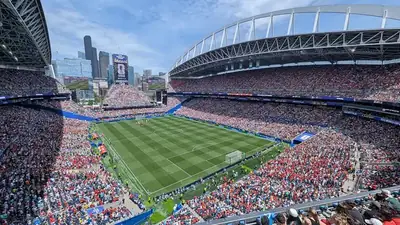
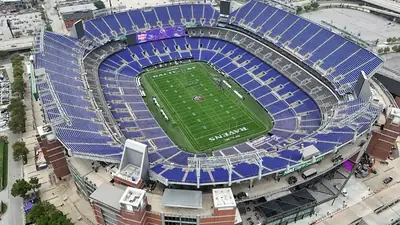
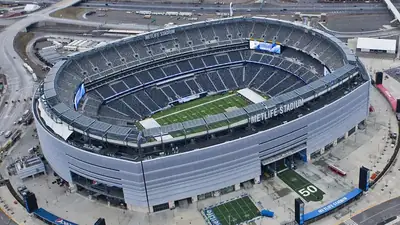
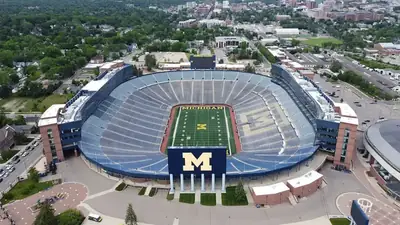
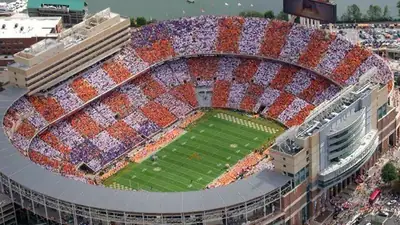
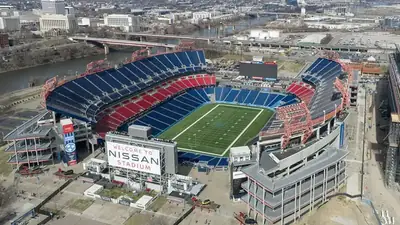
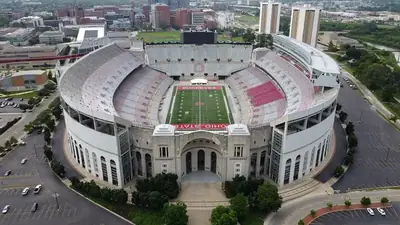
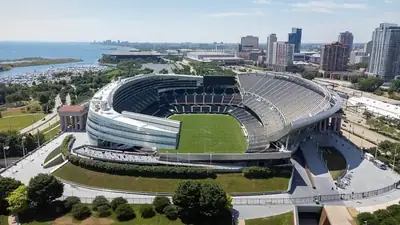
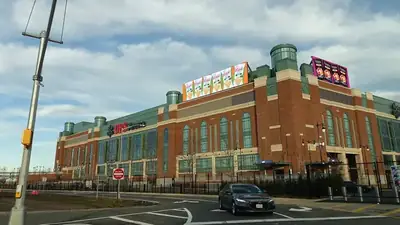
- NFL stadiums. These bowls hold 60,000 to more than 80,000. Lambeau Field lists 81,441 seats and MetLife Stadium 82,500, while AT&T Stadium in Arlington seats about 80,000 and passes 100,000 with standing room. The sideline between the 30-yard lines is the reference point, and sun versus shade can matter as much as the yard marker.
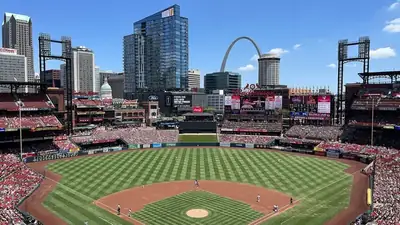
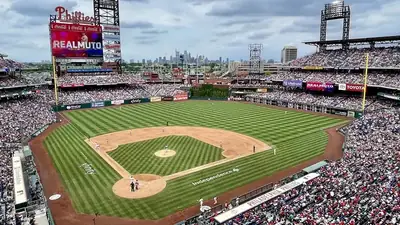
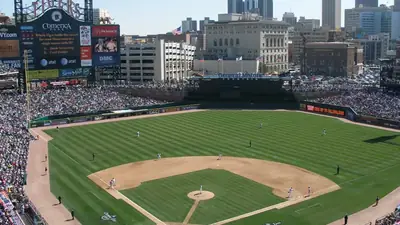
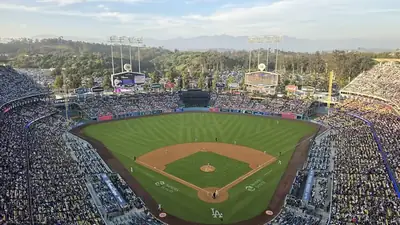
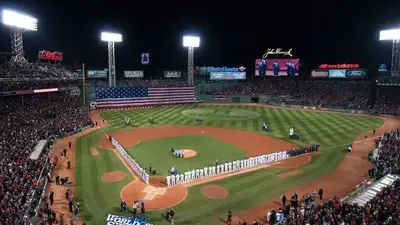
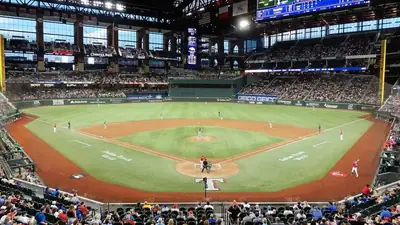
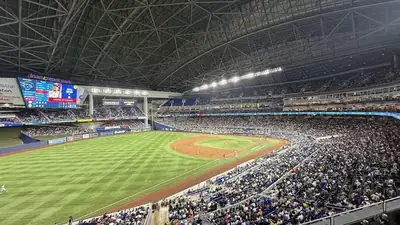
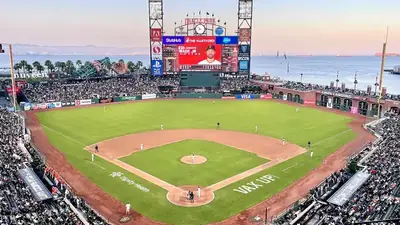
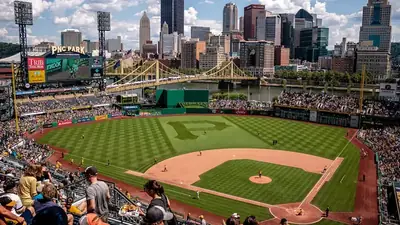
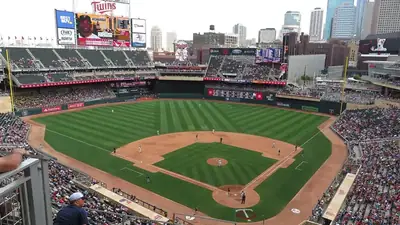
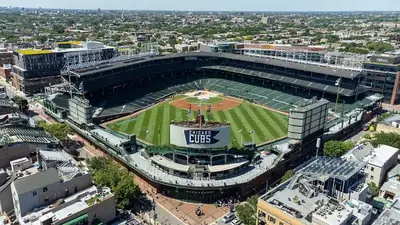
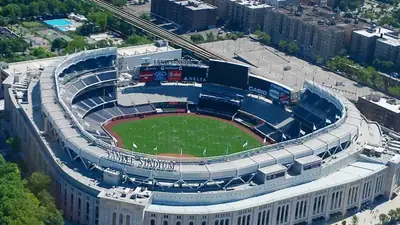
- Ballparks. At Yankee Stadium, Dodger Stadium (opened 1962), Wrigley Field (1914) and Fenway Park (1912), the details that decide a seat are shade, the angle near the foul poles and the overhang of the deck above.
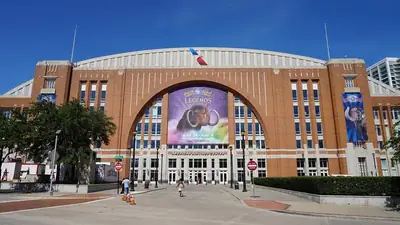
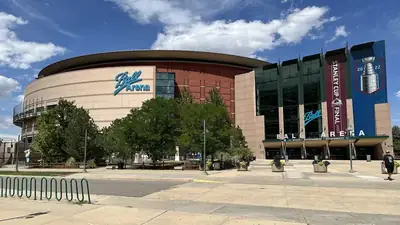
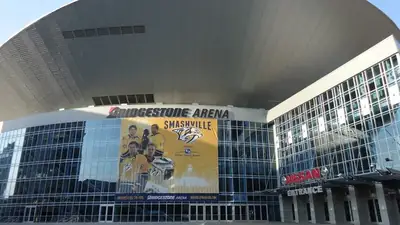
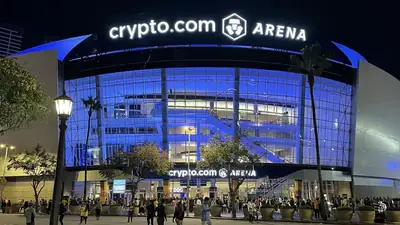
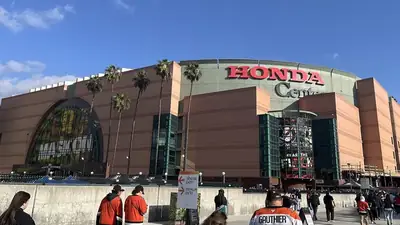
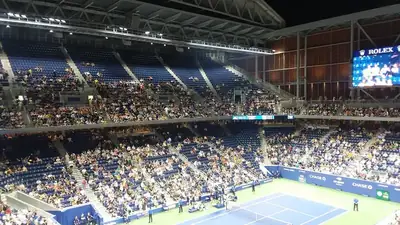
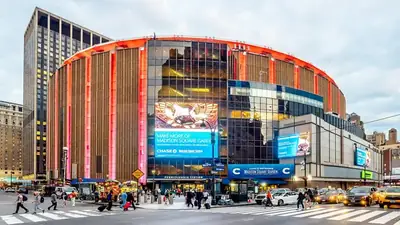
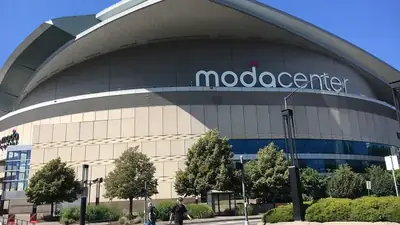
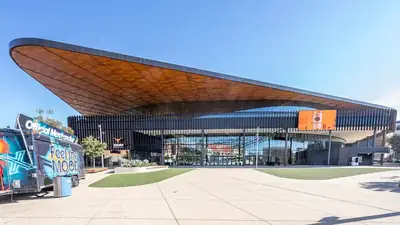
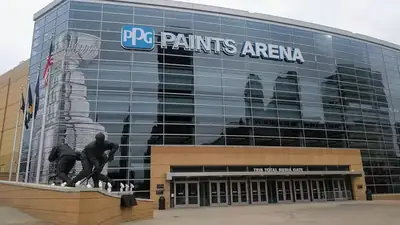
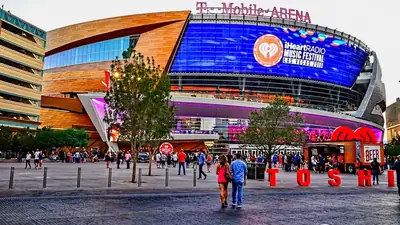
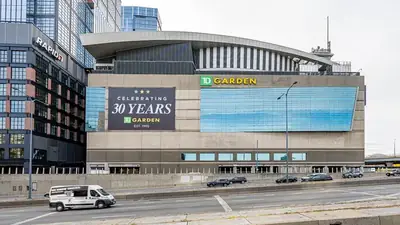
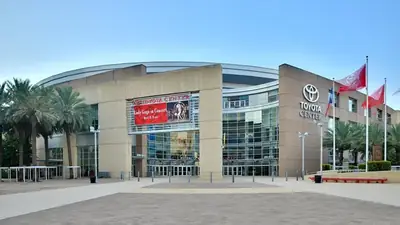
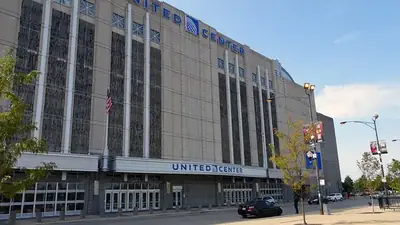
- Arenas. Madison Square Garden, the United Center (20,917 for basketball) and their peers hold somewhere between about 17,000 and 21,000. Row 1 of the upper level frequently beats the last rows of the lower level on both sightline and value.
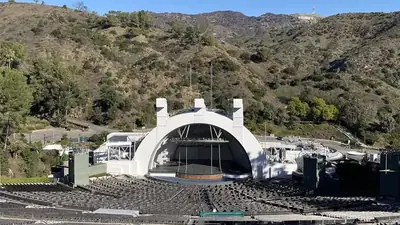
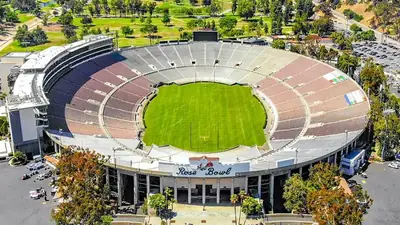
- Amphitheaters and open-air bowls. The Hollywood Bowl holds 17,500, and Red Rocks Amphitheatre fits 9,525 onto 70 bench rows; the Bowl runs a June-through-September season. Both are steep, uncovered and at the mercy of the weather.
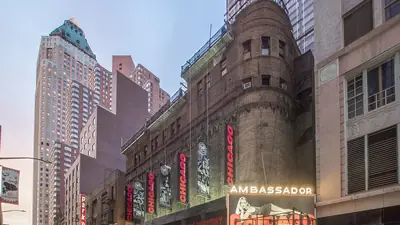
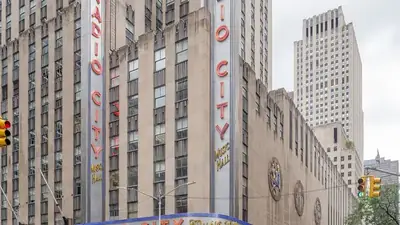
- Theaters, halls and clubs. The Ryman Auditorium puts 2,362 people on wooden pews, Radio City Music Hall spreads 5,960 seats over its orchestra level plus three mezzanines, and The Shrine in Tulsa is a club for ages 21 and up built around a standing dance floor. Sphere in Las Vegas, where 17,600 seats face a wraparound screen, belongs to no group at all.
Outdoor settings matter to audiences. A 2022 NEA survey found that 17 percent of US adults attended an arts event at an outdoor site such as a park, pavilion or amphitheater, a larger share than for any other venue type.
Four trade-offs worth learning once
The same handful of compromises shows up in nearly every guide.
- Elevation against distance. At a football game, a sideline seat around row 20 tends to show more than a third-row seat in the end zone, because height lets you see the formation develop.
- Sun against shade. Every open-air stadium and ballpark has a shaded side for afternoon games, and each guide identifies it.
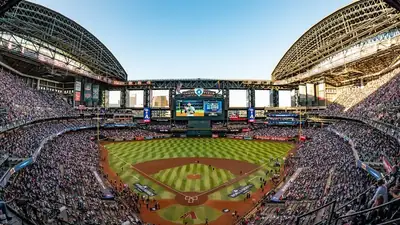
- Overhangs and posts. When the deck above hangs over your row, you can lose high fly balls and the video board, and some older ballparks still have support columns.
- Stage placement. With an end stage (the stage set at one end of the floor), seats behind it become blocked or limited view, while side sections near the stage are often an underpriced option.
If you want the method in depth, three guides help: one on reading any seating chart, one comparing floor seats with the lower bowl and one on what an obstructed-view label really means.
The trip in: transit, parking and the gate
Plenty of ticket buyers are traveling, which is why the guides treat logistics seriously. In 2024, by the estimate of Sports ETA, 109.7 million sports spectators made a trip of at least 50 miles to attend, and 63.5 million of them booked an overnight stay (Sports ETA industry report).
So each guide covers trains, parking and rideshare pickup. Watch the address. Fans tend to file several stadiums under a big-city name, yet MetLife Stadium stands in East Rutherford, New Jersey, SoFi Stadium in Inglewood, California, and AT&T Stadium in Arlington, Texas. Entry rules are handled the same careful way. Bag limits, mobile-ticket requirements and parking change between seasons, so each guide puts a date on the rule it reports. Plan with those notes, then check the venue's current policy before you go.
From a shortlist of sections to a confirmed seat
Most listings on Reserved Seat are resale, meaning individual sellers set the price and it can land above or below face value. Demand drives the movement: the opponent or tour, the night of the week and how close the date is. That is why each guide describes which sections tend to command more and the reasons, instead of quoting numbers that would go stale within hours.
- Pick two or three sections from the guide that suit your event type.
- Compare listings across them, row by row, rather than chasing the lowest price in one section.
- Check the notes on seats to skip before you confirm.
Every purchase comes with a 100% guarantee.
Frequently asked questions
How many venues have seating guides?
Thirty-six. The list runs from Lambeau Field and SoFi Stadium to Wrigley Field, Fenway Park and Madison Square Garden, and on to music rooms like the Ryman Auditorium and Red Rocks Amphitheatre.
Is the upper level of an arena a bad choice?
Not necessarily. Row 1 or 2 upstairs can give a cleaner, more centered view than the back rows of the lower level, and they are often the better value.
Do the best seats for a game work for a concert too?
Rarely. For football the sideline is the target, while a concert turns on where the stage stands; with an end stage, the sections behind it and at sharp side angles may lose the view. Each guide covers both setups where the building hosts them.
Which seats should I avoid at an older ballpark?
Watch for rear rows under the upper deck, which can hide fly balls and the video board, and for seats behind support posts. Each ballpark guide names the problem areas.
Are bag rules included?
Yes, dated to when each guide was written. Bag limits shift from season to season, so confirm them on the venue's website before you leave.
Sources
- National Endowment for the Arts – Arts Participation Patterns in 2022 (dossier GS-004)
- Sports ETA – 2024 State of the Industry (dossier GS-044)
- Wikipedia – Lambeau Field
- Wikipedia – MetLife Stadium
- Wikipedia – AT&T Stadium
- Wikipedia – Fenway Park
- Wikipedia – Dodger Stadium
- Wikipedia – United Center
- Wikipedia – Red Rocks Amphitheatre
- Wikipedia – Hollywood Bowl
- Wikipedia – Radio City Music Hall
- Wikipedia – Ryman Auditorium