
Find the chutes before you pick a row
The bucking chutes (the gated pens where riders climb onto broncs and bulls) and the roping box are where most of a rodeo begins. Locate them on the venue map first. Some arenas put them at one end, others along one side, and the strongest seats face them directly from the lower or middle rows.
- Lower level, straight across from the chutes. This is the seat for the roughstock events: the gate swinging open, the animal's first jumps, the eight-second horn and the dismount.
- Middle rows along the side. The best all-around choice. You sit high enough to follow barrel racing and roping, which use the whole arena, not just the area near the gates.
- Directly behind the chutes. It looks close on the map, but gates, pens and arena staff fill the foreground. Skip the front rows here.
- Upper level. Fine for reading scores on the video board, but the eight seconds that matter feel far away. In a football stadium like NRG Stadium, the upper deck sits a long way from a dirt floor sized for rodeo.
- Outdoor grandstands. Afternoon rodeo at Cheyenne means direct sun, so find out whether a section is covered before buying.
On rodeo-and-concert nights, you watch the concert from the same seat. A section that is perfect for the arena floor can end up at a hard angle to the stage, so weigh which half of the night matters more to you.
The events you will see
A traditional rodeo mixes two kinds of competition, plus women's events that run alongside them.
- Roughstock: bull riding, saddle bronc riding and bareback riding. The rider must stay on a bucking animal for eight seconds, and judges score both rider and animal.
- Timed events: tie-down roping, steer wrestling, steer roping and team roping, in which a header ropes the horns and a heeler ropes the hind legs. The stopwatch decides.
- Women's events: breakaway roping and barrel racing appear on PRCA programs under the sanction of a separate body, the Women's Professional Rodeo Association (WPRA).
A performance moves briskly from event to event and usually saves bull riding, the crowd favorite, for last. Get there early: many rodeos begin with a grand entry, when riders carry flags around the arena before the first event.
Two governing bodies and a season with no home games
Two organizations run the professional sport. The older is the Professional Rodeo Cowboys Association (PRCA): it dates to 1936, has its offices in Colorado Springs, and puts its sanction on several hundred rodeos every year, some at small-town fairgrounds and some in stadiums. Professional Bull Riders (PBR) came along in 1992, operates from Fort Worth and focuses on a single event, taking bull riding on tour through arenas.
Teams and home games do not exist here. Cowboys enter rodeo after rodeo, and every check they win adds to their world-standings total. At season's end, 15 contestants per event qualify on earnings, along with 15 barrel racers from the WPRA, and all of them head to the National Finals Rodeo. Whoever finishes the year with the most money in an event is its world champion.
PBR splits its year in two. From winter through spring, its top tour, Unleash the Beast, travels the arena circuit. Then comes the PBR Teams series, a 2022 creation with 10 franchises as of 2024, which fills the summer and fall. The 2026 PBR World Finals stayed in Fort Worth for the whole event, with four days at Cowtown Coliseum and then four at Dickies Arena in the Dallas–Fort Worth area. A qualified PBR ride can earn up to 100 points, split evenly between rider and bull and judged by four former bull riders.
The practical result: a few destination events anchor the rodeo calendar, and you plan around them rather than around a home schedule.
Three rodeos worth planning a trip around
National Finals Rodeo, Las Vegas
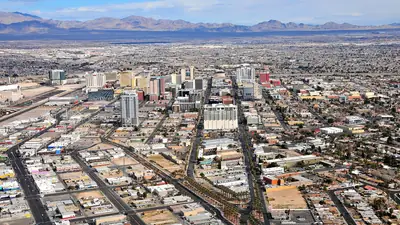
Ten straight nights of go-rounds (complete competitions, each with its own prize money) each December, beginning the first full week of the month, in UNLV's Thomas & Mack Center, where the finals have been held since 1985. On the final night, the champion of each event's ten-round average is decided. About 170,000 fans attend across the ten days, and the seats have sold out.
Houston Livestock Show and Rodeo
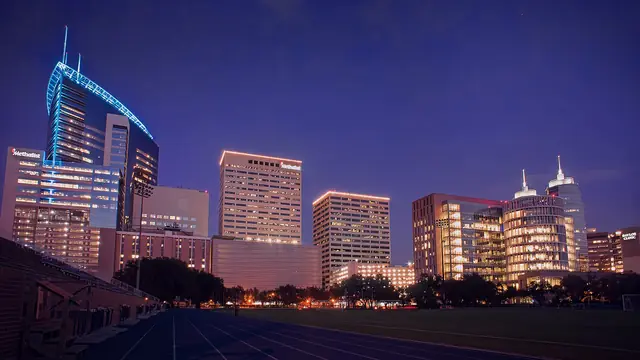
Founded in 1931 under the name Houston Fat Stock Show, it now takes over NRG Park and NRG Stadium for roughly 20 days every March. One ticket covers an evening PRCA rodeo followed by a concert in the stadium. Attendance hit a record 2.7 million in 2025, and no other regular-season PRCA rodeo pays more prize money.
Cheyenne Frontier Days, Wyoming
First held in 1897, this 10-day celebration is timed around the final full week of July. Its nickname is the Daddy of 'em All. Nearly 200,000 people come for the open-air PRCA rodeo at Frontier Park, plus concerts each night, parades, a midway with carnival rides and pancake breakfasts served free. Sixteen times, the PRCA has voted it the top large outdoor rodeo of the year.
Beyond the big three, summer is packed with PBR tour stops and hundreds of smaller rodeos at county and state fairs, where tickets are usually easy and the setting is half the fun.
When rodeo tickets sell out and when they do not
- The NFR. Tickets go out through official channels long before December and sell out, so most fans buy on resale. Demand peaks for the first night, the Saturday and Sunday rounds and the last night; midweek rounds give you the most room. Because every go-round is a full rodeo with fresh results, buying several nights can make sense.
- Rodeo-and-concert nights. At Houston and Cheyenne, the music headliner sets demand. A night with a major star can sell out fast while others stay open, even though the rodeo itself is about the same quality every night. Choose your Houston night by the concert you want.
- Tour stops and fairs. Seats for a typical PBR arena stop or regular-season PRCA rodeo are often still available in the final days, so you can wait and still land a lower-bowl seat, which is where the action feels closest.
Every Reserved Seat order includes guaranteed entry, which is worth having when you buy a sold-out NFR round on the resale market.
First-rodeo checklist
- Know the scoring. In roughstock, half the score belongs to the animal; in timed events, only the clock counts.
- Dress for the setting. Boots and hats fit right in. Outdoors, add sunscreen and a hat with a brim, and wear footwear you do not mind getting dusty.
- Give the grounds a full day. In Houston and Cheyenne, the stock show, rides, parades and fair food come with the experience. Before you go, look up schedules and the current bag rules on the RodeoHouston and Cheyenne Frontier Days websites.
- Book December travel early. NFR week brings a wave of visitors to Las Vegas; the city guide covers getting around. The National Finals Rodeo page explains seating at the Thomas & Mack Center section by section.
Frequently asked questions
Where should I sit at a rodeo?
Face the bucking chutes from the lower or middle rows. Side seats in the middle rows are the best all-around choice; avoid the front rows behind the chutes.
Is the upper level OK for bull riding?
You can follow the scores and replays, but the eight-second rides feel distant, especially in a football stadium. Pay for the lower or middle level if bull riding is the main reason you are going.
How do PRCA and PBR events differ?
A PRCA rodeo is the full program of roughstock and timed events, with champions decided at the NFR. PBR runs bull riding only, on its own tours, ending in its own World Finals.
Which NFR nights are easiest to get?
Midweek go-rounds usually have the most availability. The first night, weekend rounds and the final night sell hardest.
When are the Houston rodeo and Cheyenne Frontier Days?
Houston's show fills roughly three weeks every March at NRG Park and NRG Stadium. Cheyenne Frontier Days lasts 10 days, centered on the final full week of July.