




Three zones, three kinds of fan
Every MLS seating chart reduces to three zones, and the right one depends on what you want from 90 minutes.
- Lower sideline near midfield: the best read of the game. Somewhere between row 10 and row 25 you gain enough height to watch passes develop from one touchline to the other; the front rows lose that. Expect this to be the priciest part of the stadium.
- Upper sideline and corners: the value buy. Up on the second level along the sideline, the team shapes are easier to follow than from a low corner seat.
- Behind the goals: where the organized fans gather. Almost every club sets aside an end where fans stand the whole match, sing, wave flags and stage coordinated displays called tifo. These are the loudest seats and often among the most affordable; some clubs install safe standing (rail seating designed for standing). If you want to sit down, buy somewhere else.
Two warnings. From the bottom rows behind a goal, the far end of the field flattens out and is hard to judge. And in a stadium built for the NFL, seats at the ends and in the upper corners sit well beyond the edges of a soccer field, so a midfield seat on the second level is usually the smarter purchase. Check which sideline faces west, too: summer matches often kick off in the evening, but spring and fall matches may start in the afternoon sun.
Soccer-built stadiums versus NFL buildings
The majority of clubs own or lease a soccer-specific stadium, a venue built for the sport, typically holding between 18,000 and 30,000 and with steep stands hugging the field. Twelve such stadiums have gone up under the league's oversight since 1999. Miami's Nu Stadium is the latest: it opened April 4, 2026, as Inter Miami CF's 26,700-seat home.
Other clubs borrow football or baseball stadiums. Those can hold enormous crowds, yet the top rows feel remote, so for routine matches these buildings commonly shut the upper tier. Capacities below are the 2026 soccer configurations listed by the league and the clubs; they change with setup.
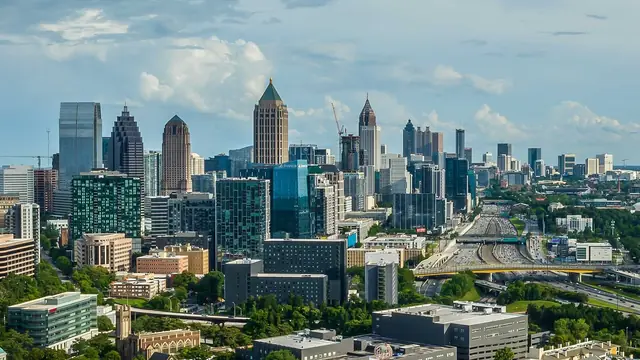
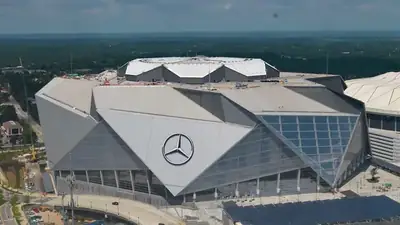
- Atlanta United FC at Mercedes-Benz Stadium: about 42,500.
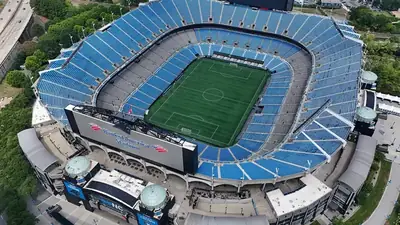
- Bank of America Stadium, home of Charlotte FC: about 38,000.
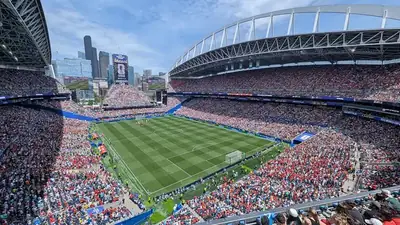
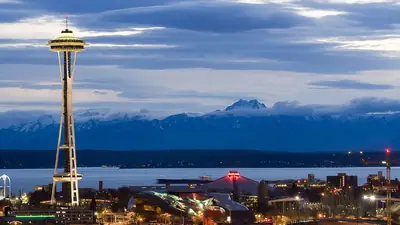
- Lumen Field, home of Seattle Sounders FC: about 37,700.
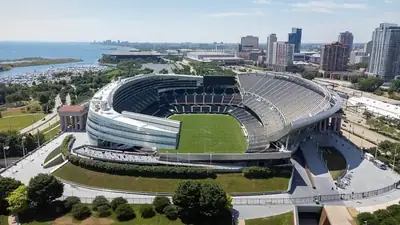
- Soldier Field, home of Chicago Fire FC: about 25,000.
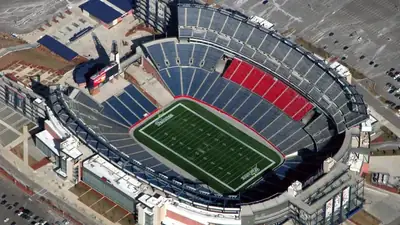
- Gillette Stadium, home of the New England Revolution: usually set at about 20,000.
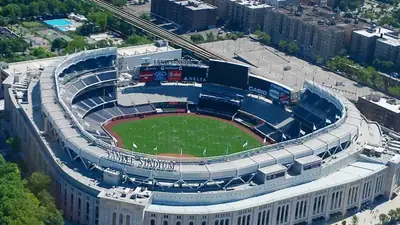
- Yankee Stadium, home of New York City FC, which plays on a pitch built over the infield.
Big one-off matches land in NFL buildings too: the Colorado Rapids shifted their April 18, 2026 home game against Inter Miami to Empower Field at Mile High, where 75,824 attended.
The 2026 calendar and the switch coming in 2027
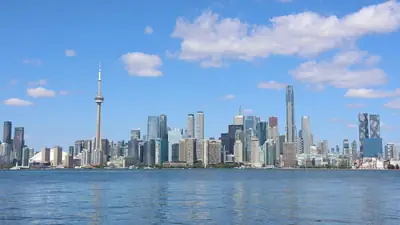
MLS sits at the top of men's professional soccer in both the US and Canada. Its 30 clubs, 27 American and three Canadian, sit in two 15-team conferences, East and West. Each club plays 34 league matches, about half at home.
- Regular season: the 2026 campaign kicked off February 21 and ends with Decision Day, when every club plays at the same time, on November 7.
- World Cup pause: the league went quiet between May 25 and July 16, 2026, while the FIFA World Cup was staged in North America.
- Playoffs: eighteen teams qualify. The lowest seeds meet in one-game play-ins, the first round is a best-of-three series, and every later round is a single match. For 2026 the postseason spans November 18 through December 18, and MLS Cup is the last match.
- Other silverware: the Supporters' Shield goes to the top points total over the league season, and the summer Leagues Cup matches MLS clubs against teams from Mexico's Liga MX.
This is the final season on the current calendar. Starting in 2027, the league adopts a calendar that runs from summer into the following spring, in step with Europe's big leagues, so later seasons will use different months.
Members first, then single matches and resale
Season-ticket members get the bulk of the inventory; individual match tickets follow once members have bought. Because a typical fixture does not sell out, there is usually wide choice from the club and on resale, and prices tend to ease in the final days before a routine match.
- The Messi effect: Lionel Messi's arrival at Inter Miami in 2023 turned the club's away games into record-setting events, and more than one host club has relocated those games to an NFL stadium. Demand for those builds early and stays high.
- Derbies: regional rivalries, the Cascadia meetings in the Pacific Northwest among them, fill the supporters' ends and lift prices.
- Openers and new buildings: home openers and a club's first season in a new stadium draw extra interest.
- Knockout rounds: playoff dates are set with little warning, which makes resale the usual route. The finalist with more regular-season success hosts MLS Cup, so the city is confirmed only a few days ahead.
League figures compiled on Wikipedia put average attendance at about 23,240 in 2024 and about 22,110 for 2026 through mid-September. Reserved Seat covers every order with a 100% guarantee.
Champions, Canadian clubs and the wider game
Formed in December 1993, MLS played its debut season in 1996. It is structured as a single entity: player contracts belong to the league rather than to individual clubs. Since 2007 the Designated Player rule has let each club pay a few stars above the salary cap, which explains the global stars on MLS teams and why a single name can move demand on any given night.
The LA Galaxy own the most MLS Cups, six, the latest in 2024; D.C. United follow with four. On December 6, 2025, Inter Miami CF claimed its first championship with a 3–1 win over Vancouver Whitecaps FC in Fort Lauderdale; that same year the Philadelphia Union took the Supporters' Shield. San Diego FC arrived in 2025 as club number 30, and expansion then paused, so 2026 became the first year in over 20 years without a new team joining or being announced.
Canada's three clubs joined in 2007 (Toronto FC), 2011 (Vancouver Whitecaps FC) and 2012 (CF Montréal); bring a passport for a road trip north. For the US national teams and the NWSL, see the Soccer page; for English clubs touring in summer, see the Premier League page.
Matchday basics for newcomers
Budget two hours: 90 minutes of play in two halves, added stoppage time and a 15-minute break. Play runs continuously, so if you arrive after kickoff you will wait at the top of the aisle until a break in play.
- Get there before the teams walk out. Fan groups frequently parade to the gates before the match, and the big tifo banners rise as the teams come out.
- Learn the bag rules. A club playing in an NFL stadium usually applies that building's clear-bag rule. As of 2026 the details vary from venue to venue; confirm them on the club's site before matchday.
- Confirm your section is open. In an NFL stadium only open sections are sold, yet for a star visitor the upper deck may be open and very high.
- Dress for the month. Early-season dates up north can be frigid, and Southern afternoon games in July are sweltering.
The league posts fixtures, start times and playoff rules at MLSsoccer.com.
Frequently asked questions
Where should I sit for my first MLS match?
Pick the lower sideline close to midfield, somewhere from row 10 to row 25, to see the whole game develop. Choose the supporters' end only if you want to stand and sing for 90 minutes.
Do fans stand for the whole match in the supporters' section?
Yes. Supporters' sections behind the goal stand, sing and wave flags throughout, and a few clubs fit that area with safe-standing rails.
Which MLS clubs share NFL stadiums?
As of 2026, five do: Atlanta United (Mercedes-Benz Stadium), Charlotte FC (Bank of America Stadium), Seattle Sounders FC (Lumen Field), Chicago Fire FC (Soldier Field) and the New England Revolution (Gillette Stadium).
Is the MLS calendar changing?
Yes. After a February-to-November 2026 season and a December 18 final, MLS moves in 2027 to a season that starts in summer and ends the following spring.
Why do Inter Miami away matches draw such big crowds?
Lionel Messi has played for Miami since 2023, and his road appearances have set attendance highs, including 75,824 at Empower Field at Mile High in April 2026.
Which club holds the most MLS Cup titles?
The LA Galaxy have six titles, most recently in 2024. Inter Miami CF won its first in 2025.