
The ring, the ramp and the hard camera
The best all-round seat at a wrestling show is in the lower bowl on the hard-camera side, a few rows up. The hard camera is the main TV camera, fixed near center on one sideline, and matches are worked to face it, so that side sees the action head-on and the entrance from a clean side angle.
The setup explains the rest. The ring sits on the floor near the middle of the building, and the entrance stage, with its ramp and video screens, takes over one end, much like a center-stage concert with one end blocked off.
- Opposite the hard camera: you catch more of the wrestlers' backs at big moments, but you are the crowd viewers see behind the ring on TV.
- Front ringside rows: you feel every bump and watch brawls spill over the barricade. By the middle of the flat floor, though, standing fans and ring posts block much of the view.
- Next to the entrance stage: close-up entrances, pyro and video, with a long, angled look at the ring.
- Behind the stage: often closed or sold as limited view. Avoid these unless the listing spells out what you will see.
- Upper level on either sideline: the value seat. The ring looks small, but the whole production is in view.
In a stadium every distance stretches, and the video boards carry far more of the show.
TV tapings, premium events and house shows
Pro wrestling is scripted athletic theater: the results are planned, the athletic work is real, and the crowd is part of the performance. Two promotions sell most US tickets. WWE is the larger and older company, with weekly television and a calendar of major events, and All Elite Wrestling (AEW) is the leading national alternative. Both tour arenas all year and save their biggest nights for stadiums.
The show type tells you what you are buying. A weekly television taping follows the broadcast schedule; a premium event (the current term for what used to be called a pay-per-view) carries the major matches and a bigger production; a house show is a smaller, untelevised event. The type sets the length of the night, the scale of the staging and how much the results matter to the storylines.
WWE and AEW week to week
WWE
With roots going back to 1953, WWE now sits inside TKO Group Holdings alongside the UFC. Raw airs Monday nights and has streamed on Netflix since January 2025; SmackDown airs Friday nights. The Royal Rumble, SummerSlam and Survivor Series are among its premium live events, and WrestleMania, its biggest show, runs over two nights in a stadium each spring. The WWE page goes further into the weekly shows and arena seating, and the WrestleMania page covers the flagship.
AEW
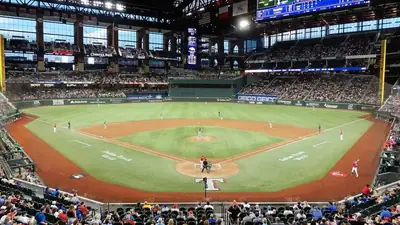
Tony Khan founded AEW on January 1, 2019, and the company is based in Jacksonville, Florida. Dynamite, its main weekly show, goes out live on Wednesdays at 8 p.m. Eastern on TBS and HBO Max, and Collision airs on TNT. Its big events include Revolution, Double or Nothing, Forbidden Door (staged with New Japan Pro-Wrestling), All Out, Full Gear and Worlds End. All In, its largest card, sold 72,265 paid tickets at London's Wembley Stadium in 2023 and came to Globe Life Field in Arlington, Texas, on July 12, 2025.
From the Garden to stadium spectacles
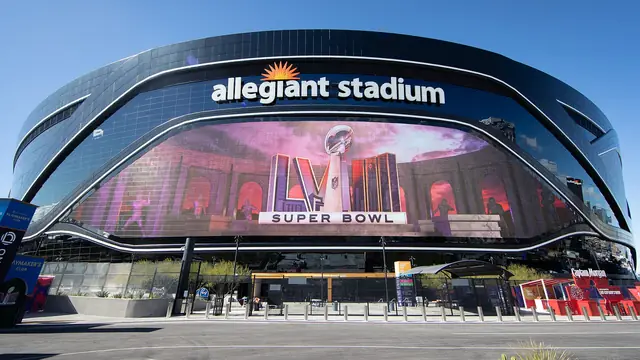
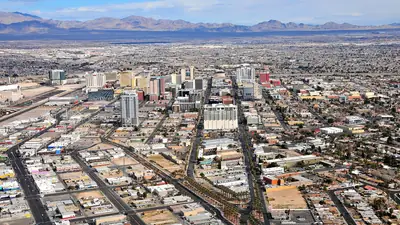
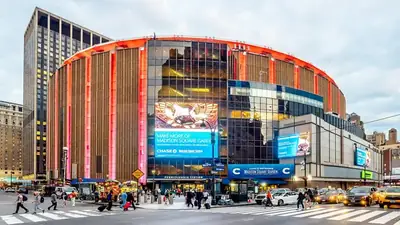
Week to week, cards run in big-league arenas and smaller civic buildings. WWE's spiritual home is Madison Square Garden, in New York City: it staged the first WrestleMania in 1985, later the tenth and twentieth editions as well, plus Survivor Series, SummerSlam and the Royal Rumble. Stadiums are kept for the very biggest nights, and those nights keep growing. In 2025, per TKO's annual report, the two nights of WrestleMania 41 pulled over 118,000 people into Allegiant Stadium in Las Vegas, and Allegiant Stadium was the host again in 2026.
Across WWE, the UFC and PBR bull riding, TKO staged more than 500 live events worldwide in 2025, according to its 2025 Form 10-K. At that pace, most large metro areas see a wrestling show at least once a year.
When wrestling tickets move
- Premium events lead. The biggest matches land on these cards, which draw more travel and stronger demand than weekly TV.
- Late announcements shift demand. Matches are often confirmed only in the last few weeks, and a title bout or a returning star can lift one night above the rest.
- Stadium shows release in phases. WrestleMania sells two-night combination tickets before single-night tickets, which shapes when one-night listings appear.
- Routine tapings loosen. An ordinary episode with no announced matches often has more seats close to the date.
- Ringside is limited. Each show has only a few ringside rows, and they sell first.
Every Reserved Seat order is backed by a 100% guarantee.
Your first night at the matches
- Expect extra matches. TV tapings often add dark matches (bouts that are not broadcast) before or after the live window.
- Make a sign, within limits. Signs are part of the culture, but venues restrict size and content, so read the event's posted rules.
- Look up the bag policy. Each building sets its own rules, and they change, so check the current policy before you go.
- Plan for the family. Wrestling crowds include many families, but what is shown and how late it ends differ from card to card, so look up the start time and running length.
WWE shares its owner, TKO, with the UFC, and many arenas host both wrestling and MMA. For the year's biggest wrestling dates, start with WrestleMania and the WWE events calendar.
Frequently asked questions
What is the hard-camera side at a wrestling show?
It is the sideline where the main TV camera sits, near center. Wrestlers play to that lens, so a lower-level seat on that side, slightly elevated, usually give the best view of the ring.
Are seats behind the entrance stage worth buying?
Usually not. Those sections are frequently unsold or tagged limited view, because the stage set and screens block the ring. Buy them only if the listing clearly describes the view.
How does AEW differ from WWE?
WWE, the senior and larger company, belongs to TKO Group Holdings and airs Raw on Mondays and SmackDown on Fridays. AEW dates from 2019, has its headquarters in Jacksonville, Florida, broadcasts Dynamite on Wednesdays and stages cards like Double or Nothing and All In.
Is a TV taping longer than the broadcast?
Often, yes. Untelevised dark matches on either side of the broadcast can push a two- or three-hour broadcast longer, and the big premium and stadium cards go longer again.
What was the largest recent WrestleMania crowd?
Over 118,000 people attended the two nights of WrestleMania 41, held at Allegiant Stadium in Las Vegas in 2025, TKO reported.