
Height beats proximity at the racetrack
The most useful rule in motorsports seating is simple: buy elevation. On an oval, a seat about 30 rows up in a large grandstand shows you all four corners at once, lets you watch pit stops unfold and reveals a pass taking shape a full lap before it happens. Front rows feel close, but they put a catch fence (the tall mesh barrier that keeps debris out of the stands) between you and the cars, and from down there the racing becomes a streak of noise while the opposite straightaway drops out of sight.
The second rule is where you sit relative to the start-finish line. Seats facing it give you restarts, pit road and the checkered flag; seats in the turns trade the overall picture for a closer look at cars diving into the corner. If you can have only one, choose height near the start-finish line. A seat in row 40 there is a better buy than row 5 nearly anywhere else around an oval.
Track type changes the details, so the next section splits ovals, short tracks and road or street circuits.
Superspeedways, short tracks and street circuits
- Superspeedways such as Daytona and Indianapolis: the frontstretch close to the stripe gives you restarts, pit lane and the finish. Seats in the corners put you nearer the pack as it fans out three abreast, at the cost of the big picture. At Daytona, the Daytona Rising renovation finished in January 2016 removed the backstretch seating, so the frontstretch grandstand is where nearly all reserved seats sit.
- Short tracks such as Bristol Motor Speedway: the half-mile bowl is visible from almost anywhere, so you are really choosing how high to sit and how much of pit lane you want. Middle rows on the frontstretch rarely disappoint.
- Road courses and street circuits (Circuit of the Americas, Long Beach and the Las Vegas Strip, for example): you will only ever see part of a lap. Aim for a grandstand where cars brake hardest, typically a tight corner after a long straightaway, since that is where positions change, and check that a big screen covers the parts you cannot see.
- General admission: unreserved hillsides, infields and standing zones reward wanderers, particularly on road courses. You give up a seat and shade and gain a lot of walking.
Two checks belong on every track map. Look at the sun: an open grandstand facing west gets hot fast in an afternoon race. And for races under the lights, higher rows suffer less glare off the fence. How to Read a Seating Chart walks through reading a track map before you commit.
The three series and their 2026 calendars
For most American ticket buyers, motorsports means three series, and each one sells a weekend rather than a single game.
- NASCAR: 36 Cup Series points races made up the 2026 schedule. It began February 15 with the Daytona 500 and ended November 8 at Homestead–Miami Speedway, with stops at tracks as large as 2.5 miles and as small as half a mile, plus road courses. A street race on Naval Base Coronado, outside San Diego, joined the calendar in 2026, and the Chase returned: the championship system NASCAR ran from 2004 through 2013, in which 16 drivers qualify on points after race 26 and then contest a 10-race title stretch.
- IndyCar: the 2026 season packed 18 races into March 1 through September 6, combining ovals with permanent and temporary circuits. Long Beach stayed on the calendar, Texas gained the new Grand Prix of Arlington, and the Freedom 250 Grand Prix ran on city streets in Washington, D.C.
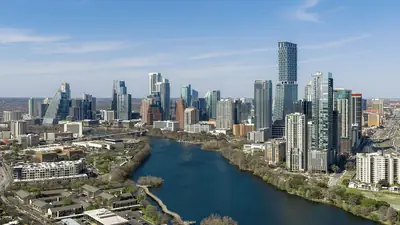
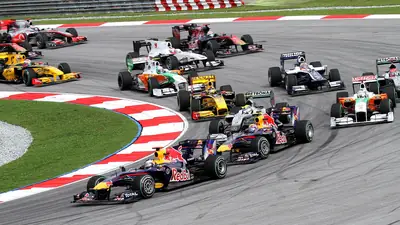
- Formula 1: the world championship had 23 rounds in 2026. America hosted three: Miami in May, Austin's Circuit of the Americas for the United States Grand Prix in October, and Las Vegas in November, where the race runs on Saturday night along the Strip.
Crown-jewel races and trips abroad
- Daytona 500: the race that opens NASCAR's year and its most prestigious, held each February at Daytona International Speedway. The track, a 2.5-mile tri-oval with corners banked at 31 degrees, opened in 1959.
- Indianapolis 500: run on the Sunday of Memorial Day weekend at Indianapolis Motor Speedway, which opened in 1909 and also measures 2.5 miles. On May 24, 2026, the 110th edition produced the narrowest winning margin in its history: 0.0233 seconds.
- Formula 1: each of the three American rounds fills a weekend with practice sessions, qualifying and the Grand Prix itself; Las Vegas shifts the schedule a day earlier, Thursday through Saturday.
- NASCAR: the full Cup schedule, including Bristol, a high-banked concrete oval just over half a mile around whose Night Race is a fan favorite.
For an overseas trip, two Formula 1 races top most wish lists. The Monaco Grand Prix winds through the streets of Monte Carlo (June 7 in 2026), and the Abu Dhabi Grand Prix at Yas Marina Circuit closed the 2026 championship on December 6.
Monster trucks are a different animal: a show held in a stadium or arena, not a weekend of racing. Both Monster Jam and Hot Wheels Monster Trucks Live tour those buildings, and the oval rule carries over: elevation first, closeness second.
Grandstand seats, weekend passes and add-ons
Three things set race tickets apart from a typical game ticket.
- You are buying into a weekend. The usual menu is a reserved grandstand seat for the main race, a package covering qualifying and the support events as well, and unreserved general admission. Formula 1 sells mostly three-day passes; where single days exist, they are typically Friday practice or Saturday qualifying.
- The extras are separate. Garage or pit access before the race, infield credentials, campsites and suites are normally priced on their own. Make sure two listings include the same things before you compare them.
- Demand is lopsided. The crown jewels (the Daytona 500, the Indianapolis 500, Bristol's Night Race) and all three American Formula 1 weekends draw buyers far ahead, and the grandstands facing the finish line sell out first. A typical NASCAR or IndyCar race seldom sells out, and resale prices for those often slide in the final days.
The reason is capacity. Indianapolis Motor Speedway had 257,325 permanent seats as of 2004, reduced to roughly 235,000 by 2013, and its grounds can take up to 400,000 people counting standing room. Daytona lists a range of about 101,500 to over 167,000, depending on infield setup, and Bristol listed 146,000 in 2024. Only the biggest races and the best grandstands run short. Reserved Seat backs every order with a 100% guarantee, useful when a race is rained out and rescheduled.
A long day at the track: what to pack and expect
Plan for a full day. Lots and gates open long before the green flag, roads clog early, and a big share of the crowd tailgates or camps, so the race often caps a day that began at breakfast.
- Protect your hearing. The engines are loud enough that earplugs or headphones are the norm, and children need them most.
- Bring or rent a scanner. A radio scanner and headset lets you listen to drivers talking with their crews and to the broadcast, which turns a confusing race into a story you can follow.
- Check the cooler rule. Unlike most sports venues, some tracks allow soft-sided coolers within size limits. As of the 2026 season these rules vary by track and series; confirm them on the track's site before race day.
- Expect weather delays. Ovals cannot race in the rain, though road and street circuits can, and a washout may move the race to the following day. Tickets are typically honored on the new date, but read the track's rain policy.
Many fans travel to get there. The Sports Events and Tourism Association's 2024 report found 109.7 million sports spectators made trips of 50 miles or more, and 63.5 million of them stayed overnight. Lodging around Daytona, Indianapolis and the Formula 1 cities books up early, so reserve a room at the same time as your seat. Television can shift start times; check NASCAR.com or IndyCar.com for the current schedule.
Frequently asked questions
Which row should I buy at a NASCAR oval?
Aim for row 30 or higher, close to the start-finish line. From there the whole oval, pit lane and the finish are in view, while the front rows look through the catch fence.
Where should I sit at a road course or street circuit?
Pick a grandstand at a hard braking point, such as a tight corner after a long straight, because that is where most overtaking happens. Check that a large screen is visible for the rest of the lap.
Which US cities host Formula 1 races?
Three in 2026: Miami in May, Austin at Circuit of the Americas in October, and Las Vegas on the Strip in November.
Are general admission race tickets worth it?
They suit fans who want to move around, especially at road courses with hillsides. You get no assigned seat or shade, and you will walk a lot.
Do I need a weekend pass?
Not for a typical NASCAR or IndyCar race; a race-day seat covers it. Formula 1 is sold mainly as three-day passes, and qualifying day is well worth attending if you have traveled for the race.
What happens if rain delays a race?
Oval races stop in the rain and may be moved to the next day, while road and street courses can race in the wet. Tracks typically honor tickets for the rescheduled date; check the track's rain policy.