


Looking down into the Octagon beats looking through it
For most fans the best seat at a UFC event is in the lower bowl, roughly rows 5 to 20. Those rows rise at a rake (the incline of the seating) steep enough to clear the fence and look down on the canvas, and that view pays off whenever the fighters go to the ground. The floor, which looks like the obvious premium choice, is flat, and the cage is built up on a stage, so the view from the middle of the floor is often the backs of standing fans.
Every UFC bout happens inside the Octagon, the fenced eight-sided cage at the center of the floor, and that fence drives every seating decision. It is also why an arena built for basketball or hockey sells very differently on a fight night.
Cage-side to the rafters: a section-by-section verdict
- Cage-side and the first few floor rows: nothing is nearer, and most of these chairs go to fight teams, press, sponsors and premium packages. Each punch is audible from here, yet the fence mesh sits between you and the action, and a grappling exchange on the far side can disappear behind cornermen and officials.
- Middle and rear floor: frequently the poorest value. Once the crowd stands for a big moment, everyone from about row 15 back ends up watching the video boards.
- Lower bowl, rows 5 to 20: close enough to feel the fight, high enough to see it. The right answer for most buyers.
- Upper level: the fighters look tiny from up here, though you see the whole show and follow the fight on the center-hung screen. The budget pick for a numbered event.
- Near the walkout tunnel or broadcast positions: skip sections marked limited view.
Whatever you choose, make sure you have a clear line to a video board, because even well-placed seats depend on replays and close-ups. For the fight setups in two key buildings, open the T-Mobile Arena Seating Chart or the Madison Square Garden Seating Chart.
Inside a fight card
Mixed martial arts (MMA) blends striking and grappling into one combat sport, and in the US the Ultimate Fighting Championship is the promotion most ticket buyers mean. What you attend is a card, a lineup of a dozen or more individual bouts ordered from the opening prelims up to the headline fight. One ticket covers the whole card, not a single fight.
The Unified Rules of Mixed Martial Arts set non-title fights at three rounds of five minutes and championship or main-event fights at five rounds of five minutes, with a minute of rest between rounds. A bout can end in seconds or run the full distance, so start times are estimates. Gates typically open ahead of the opening prelim, and the headline bout comes hours afterward; the full night can stretch past five hours.
Numbered events, Fight Nights and the Paramount era
The UFC schedule has two tiers. Numbered events (UFC 300 is one) feature the marquee championship bouts in big-city arenas. Fight Nights are the smaller tier, staged in mid-size cities or at the promotion's Las Vegas studio. A media-rights deal with Paramount that started in 2026 calls for 13 numbered events and 30 Fight Nights each year, all streamed on Paramount+ at no added charge, ending pay-per-view for US viewers.
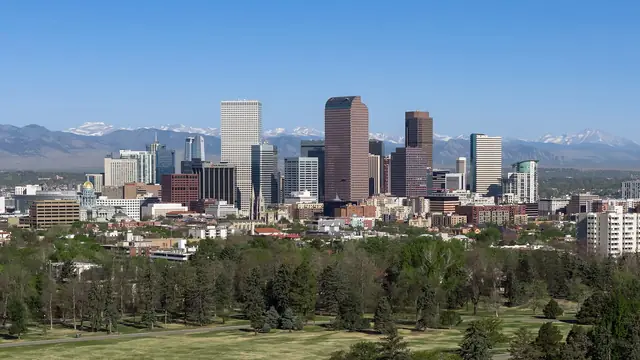
- Origins: UFC 1 took place in Denver's McNichols Sports Arena on November 12, 1993.
- Owners: Zuffa purchased the promotion in 2001, WME-IMG (later renamed Endeavor) bought it in 2016, and in September 2023 it combined with WWE to form TKO Group Holdings.
- The studio: the venue first called the UFC Apex went into service in 2019 beside company headquarters in Enterprise, Nevada, and became Meta Apex in January 2026. With room for only about 1,000 spectators, Fight Night tickets there are hard to come by.
- Rivals: the Professional Fighters League (PFL), formed in 2017, acquired Bellator in November 2023 and runs separate events, mostly in smaller buildings.
Las Vegas, the Garden and the rest of the map
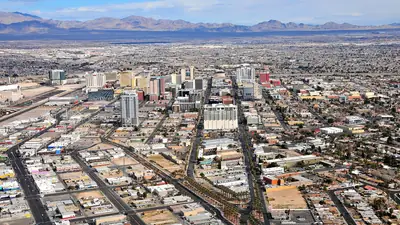
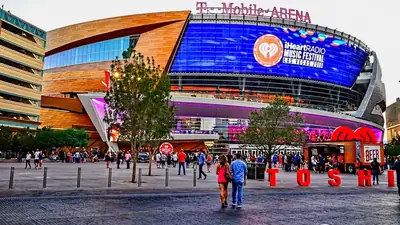
Las Vegas is the sport's capital. T-Mobile Arena staged UFC 200 in July 2016, just months after opening, and the next year the UFC signed on as an anchor tenant with a minimum of four shows annually. UFC 300, on April 13, 2024, packed 20,067 fans into the arena and reportedly generated close to 16.5 million dollars in ticket revenue.
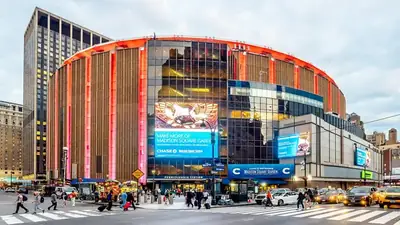
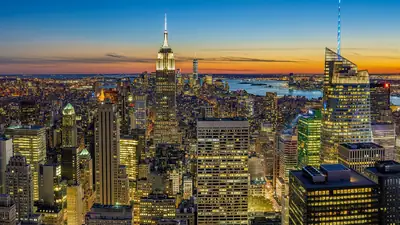
In New York City, Madison Square Garden is the other marquee room. Professional MMA became legal in New York in 2016, and that November UFC 205 drew 20,427 to the Garden and brought in 17.7 million dollars at the gate, then a record. Elsewhere, numbered cards move through NBA and NHL arenas around North America, and the promotion has filled stadiums overseas. Its biggest crowd is still UFC 129, when 55,724 fans attended in a Toronto stadium in 2011.
Some major cards never reach the public market. UFC Freedom 250 took place on June 14, 2026, on the South Lawn of the White House, before about 4,300 guests who attended by invitation only; the public could get free passes to watch from the Ellipse.
Why fight tickets move the way they do
There is no season-ticket base in combat sports, and each event stands alone, which gives fight tickets their own rhythm.
- The headliner sets the price. A championship bout with a mainstream star may be gone before the public sale; a Fight Night topped by a less familiar name can still have inventory during fight week.
- Cards change late. Injuries and failed weight cuts replace fighters, sometimes only days out. Resale prices can drop fast when a main-event fighter pulls out and bounce back if a strong substitute is named.
- Presales get there first. Promoter, arena and sponsor presales all run ahead of the general on-sale, and they take much of the prime inventory.
- Las Vegas draws travelers. Out-of-town fans plan flights and rooms for big cards months out, so prices hold up.
A ticket covers the date, not any particular matchup, which is worth remembering when the lineup shifts after you buy. Each Reserved Seat order comes with a 100% guarantee.
Planning a first fight night
- Choose your arrival time. Main-card fans can come later, but the prelims are where you spot future contenders in a half-full building.
- Check entry rules. Most large arenas limit bag size, and policies change; check the venue's current policy before you go.
- Plan the ride home. Headline fights in Las Vegas and New York end close to midnight or later, and rideshare zones crowd up the moment the last fight ends.
Other big dates on the sports calendar are collected under Major Sporting Events. For how arena and stadium layouts compare, read Arena vs. Stadium. Announced cards are listed on the UFC events page.
Frequently asked questions
Are floor seats worth it at a UFC event?
Only the first few rows, and even those look through the cage fence. From about row 15 back on the flat floor, standing fans block the view and most people watch the screens, so a lower-bowl seat is usually better.
What is the difference between a numbered UFC event and a Fight Night?
Numbered events host the major championship fights in big arenas. Fight Nights are a smaller tier, held in mid-size markets or the promotion's studio in Las Vegas.
How long does a UFC event last?
Plan for five hours or more if you arrive for the first prelim. Bouts can end in seconds or last the full distance, so timing varies.
Is my ticket still valid if a fight is changed?
Generally yes, since you are buying the event rather than one fight. A postponement or cancellation of the whole card is handled under that event's own terms.
Which arena hosts the most big UFC cards?
T-Mobile Arena in Las Vegas, where the UFC has been an anchor tenant since 2017. In New York, Madison Square Garden has been a regular stop since UFC 205 in 2016.